Dandruff or Dry Scalp? Understanding the Difference Before Choosing a Hair Care Routine
An itchy, flaky scalp can be frustrating. You may notice small flakes on your shoulders, feel an urge to scratch, or find that your scalp feels tight and uncomfortable.
It is easy to assume that these signs always mean dandruff. But that is not necessarily the case.
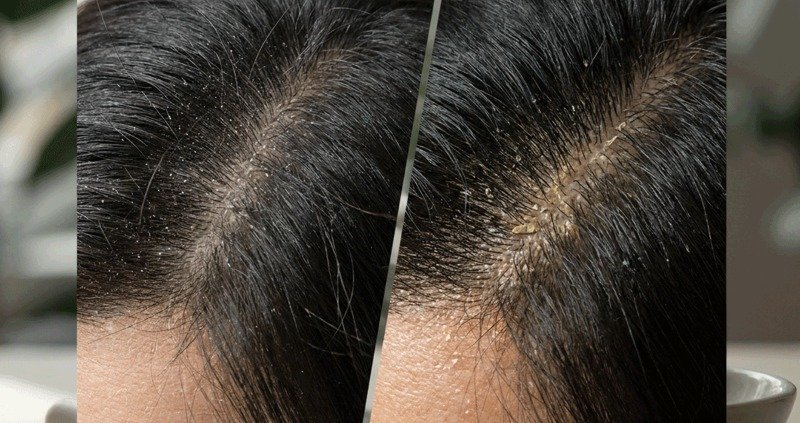
A Dandruff or Dry Scalp can look similar, yet they can have different causes and may need different approaches. A dry scalp is often linked to a lack of moisture, while dandruff is commonly associated with oil, scalp inflammation and conditions such as seborrheic dermatitis.
Knowing the difference can help you avoid choosing products that may not suit your scalp.
It can also help you recognize when simple changes in your hair care routine may be enough and when it is better to speak with a dermatologist.
What Is a Dry Scalp?
A dry scalp develops when the skin on the scalp loses too much moisture.
Just like the skin on other parts of the body, the scalp needs a healthy balance of moisture and protective oils. When that balance is disturbed, the scalp may become dry, tight, itchy or flaky.
Several everyday factors can contribute to scalp dryness. Cold or dry weather, age and certain hair care products can affect the moisture level of the scalp. Harsh products may also strip natural oils and leave the scalp feeling irritated.
A dry scalp does not necessarily mean that you have a medical scalp condition.
Sometimes, the problem is simply that your current hair care routine is too drying for your scalp.
What Is Dandruff?
Dandruff is a common scalp condition that causes flakes to shed from the scalp. It may also cause itching.
The causes can vary. Dandruff is often associated with seborrheic dermatitis, a condition that can affect oily areas of the skin. Factors such as scalp oil, skin yeast, stress and environmental conditions can play a role.
Dandruff can come and go. Some people notice that it becomes more noticeable during colder or drier months, while others experience recurring symptoms throughout the year.
Importantly, dandruff is not simply a sign of poor hygiene. The American Academy of Dermatology notes that dandruff can have several causes, including oily skin, hair care habits and certain medical conditions.
Dandruff vs. Dry Scalp: What Is the Difference?
The easiest way to understand the difference is to look at the overall condition of the scalp.
With a dry scalp, the main problem is usually loss of moisture.
With dandruff, the scalp may be more likely to have oiliness, recurring flaking and irritation.
However, there is no perfect checklist that allows everyone to diagnose their own scalp condition. Some symptoms overlap, and other conditions can also cause flakes and itching.
Here is a general comparison:
| Feature | Dry Scalp | Dandruff |
|---|---|---|
| Main issue | Loss of moisture | Flaking linked to scalp condition |
| Scalp feel | Often tight or dry | May be oily, irritated or itchy |
| Flakes | Often smaller and dry | Can be more noticeable and recurring |
| Oiliness | Often normal or low | May be higher |
| Common triggers | Dry weather, harsh products | Oil, seborrheic dermatitis, stress and other factors |
| General approach | Gentle, moisturizing care | Dandruff-focused treatment when needed |
This comparison is a guide, not a diagnosis. Persistent symptoms may need professional assessment.
How Can You Tell If Your Scalp Is Dry?
A dry scalp may feel tight shortly after washing.
You may also notice small flakes, itching or a generally dry feeling. The skin may feel uncomfortable rather than oily.
Look at what happens after you change your shampoo or routine.
If your scalp becomes noticeably better after switching from a harsh product to a gentler shampoo, dryness or irritation may have been contributing to the problem.
Dry air can also make a difference. Cold weather and low humidity can increase moisture loss from the skin, which may leave the scalp feeling dry.
Another clue is whether other areas of your skin are also dry. Dryness affecting the scalp and other parts of the body may point toward a broader tendency toward dry skin.
How Can You Tell If You Have Dandruff?
Dandruff is often associated with recurring flakes and scalp itching.
The scalp may appear oily or irritated, and the flakes may become visible on dark clothing or in the hair.
Mild dandruff is common and can often be managed with appropriate hair washing and dandruff shampoos. The American Academy of Dermatology recommends several types of active ingredients in dandruff shampoos, including ketoconazole, selenium sulfide, salicylic acid, sulfur and coal tar.
The best product depends on your scalp, hair type and symptoms.
If one product does not help, a dermatologist may recommend another approach or investigate whether another scalp condition is responsible.
Why Using the Wrong Shampoo Can Make Things Worse
One of the most common mistakes is choosing a shampoo based only on the word “dandruff” or “moisturizing” on the bottle.
Your scalp and hair may need different things.
For example, someone with a dry scalp may find that an aggressive cleansing routine makes the scalp feel even tighter. On the other hand, someone with genuine dandruff may need a product designed to address the underlying scalp condition rather than simply adding more oil.
This is why understanding the scalp comes before building the routine.
Hair type matters too. A person with fine, straight hair may have different washing needs from someone with thick, curly or tightly coiled hair. The American Academy of Dermatology recommends adjusting dandruff shampoo use according to hair type and applying medicated dandruff shampoo mainly to the scalp when appropriate.
What Should You Do If You Have a Dry Scalp?
If your scalp appears dry rather than oily and flaky, start by simplifying your routine.
Choose a Gentle Shampoo
A harsh shampoo may remove more oil than your scalp needs.
Consider using a gentle, non-medicated shampoo if your main problem appears to be dryness rather than dandruff. The American Academy of Dermatology specifically recommends switching to a gentle, non-medicated shampoo when dry scalp is the main issue.
Avoid Very Hot Water
Very hot showers can contribute to skin dryness. Lukewarm water may be a better choice if your scalp is already dry or irritated.
Avoid Excessive Washing
There is no single washing schedule that works for everyone. Your ideal frequency depends on your hair type, scalp oiliness, activity level and personal needs.
If frequent washing leaves your scalp tight and uncomfortable, consider whether your routine needs adjusting.
Be Careful With Styling Products
Some styling products can irritate sensitive skin.
If you notice that itching or dryness started after introducing a new product, consider stopping it temporarily and observing how your scalp responds.
What Should You Do If You Have Dandruff?
Dandruff often requires a different strategy.
Consider a Dandruff Shampoo
Over-the-counter dandruff shampoos contain active ingredients designed to help control flaking and scalp symptoms.
The American Academy of Dermatology lists ingredients such as zinc pyrithione, salicylic acid, sulfur, selenium sulfide, ketoconazole and coal tar among options used in dandruff shampoos.
Always follow the instructions on the product.
Some medicated shampoos need to remain on the scalp for several minutes before being rinsed. The required time varies between products.
Apply the Treatment to the Scalp
If you are using a medicated dandruff shampoo, the active treatment is generally intended for the scalp rather than the full length of the hair.
This can be particularly important for people with curly or tightly coiled hair because some dandruff treatments may contribute to hair dryness.
Give the Routine Time
Dandruff may not disappear after one wash.
Follow the product instructions consistently and observe how your scalp responds.
If the condition does not improve, a dermatologist can help determine whether the problem is dandruff, seborrheic dermatitis or another scalp condition.
What If It Is Neither Dandruff Nor Dry Scalp?
This is an important question.
Flaking and itching can have several causes.
Conditions such as scalp psoriasis, eczema, contact dermatitis and fungal infections can sometimes look like dandruff. The American Academy of Dermatology notes that scalp ringworm, for example, may cause scaling along with hair loss or broken hair shafts, while scalp psoriasis can cause thickened patches and silvery scale.
This is why persistent or unusual symptoms should not always be treated as ordinary dandruff.
If you have significant redness, swelling, pain, sores, crusting, hair loss, pus or symptoms that keep getting worse, professional evaluation is appropriate.
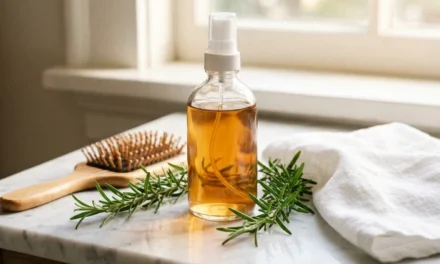
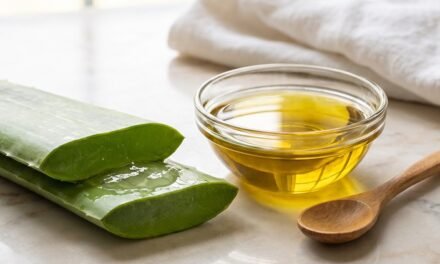
Can Hair Oils Help a Dry Scalp?
Hair oils are often used in traditional hair care, but they are not a universal solution for scalp dryness.
An oil may help reduce the feeling of dryness for some people, while others may find certain oils irritating or unsuitable.
The key is to understand that scalp care is different from simply coating the hair with oil.
If you choose to use a traditional or herbal oil, check the ingredients and introduce it carefully, particularly if you have sensitive skin.
For readers interested in herbal hair care and natural personal-care products, relevant options can be explored through AL-SARIH. Product selection should still be based on individual scalp needs and ingredient suitability.
Can Dandruff Cause Hair Loss?
Dandruff itself does not automatically mean that you will lose your hair.
However, scalp conditions can sometimes be associated with increased shedding or temporary hair changes, especially when there is significant inflammation or repeated scratching.
If you notice noticeable hair loss along with persistent scaling, redness or scalp irritation, do not assume that dandruff is the only cause.
A dermatologist can examine the scalp and determine whether another condition may be involved.
When Should You See a Dermatologist?
Occasional mild flakes are usually not an emergency.
However, you should consider professional advice when:
- Flaking continues despite appropriate dandruff care
- Your scalp becomes painful
- You develop significant redness or swelling
- You notice sores or crusting
- There is pus or unusual discharge
- You develop patches of hair loss
- The itching becomes severe
- The condition repeatedly returns without a clear reason
- Your scalp symptoms are affecting your daily life
The American Academy of Dermatology recommends seeing a board-certified dermatologist when dandruff does not improve with appropriate home treatment or when symptoms may point to another scalp condition.
A Simple Way to Think About Your Scalp
Instead of asking only, “Which shampoo is best for dandruff?” start with a better question:
“What is actually happening to my scalp?”
If the scalp feels dry and tight, focus on gentle care and reducing unnecessary irritation.
If there is recurring flaking with oiliness or irritation, dandruff may be more likely.
If symptoms are severe, unusual or persistent, there may be another underlying condition.
This small change in thinking can prevent you from trying product after product without understanding the problem.
Frequently Asked Questions
Is dry scalp the same as dandruff?
No. They can cause similar symptoms, but they often have different causes. Dry scalp is generally linked to loss of moisture, while dandruff is commonly associated with oiliness, seborrheic dermatitis and other scalp factors.
How can I tell if my scalp is dry or I have dandruff?
Look at the overall condition of your scalp. Dry scalp often feels tight and dry, while dandruff may involve recurring flakes, itching and an oily or irritated scalp. Because symptoms overlap, persistent problems may need professional assessment.
Should I use dandruff shampoo on a dry scalp?
Not automatically. If the main problem is simple dryness, the American Academy of Dermatology recommends trying a gentle, non-medicated shampoo rather than assuming dandruff is the cause.
Can cold weather cause dandruff?
Cold, dry weather can make scalp flaking more noticeable. It can also contribute to dry skin. Dandruff may also become worse during colder months, so the two can sometimes overlap.
Can dandruff be permanently cured?
Dandruff can usually be managed, but it can return. Mayo Clinic notes that even after treatment, symptoms may come back later.
When should I see a dermatologist for scalp flakes?
If symptoms are severe, persistent or do not improve with appropriate care, see a dermatologist. Hair loss, sores, significant inflammation, swelling or unusual scalp changes are additional reasons to seek professional evaluation.
Final Thoughts
Dandruff and dry scalp can look similar, but they are not always the same problem.
Dry scalp is often linked to a lack of moisture, while dandruff is commonly associated with recurring flaking, scalp oil and conditions such as seborrheic dermatitis. The right approach therefore starts with understanding your scalp rather than immediately reaching for another product.
Keep your routine simple. Use products that suit your scalp and hair type, avoid unnecessary irritation and give your routine enough time to work.
Most importantly, do not ignore symptoms that are severe, persistent or unusual. Sometimes what looks like ordinary dandruff can actually be another scalp condition that needs professional treatment.
Healthy-looking hair begins with taking care of the scalp underneath it.
Health Disclaimer
This article is for general educational purposes only. It does not diagnose, treat or cure any medical condition. If you have persistent scalp symptoms, significant irritation, hair loss or another concerning change, consult a qualified dermatologist or healthcare professional.