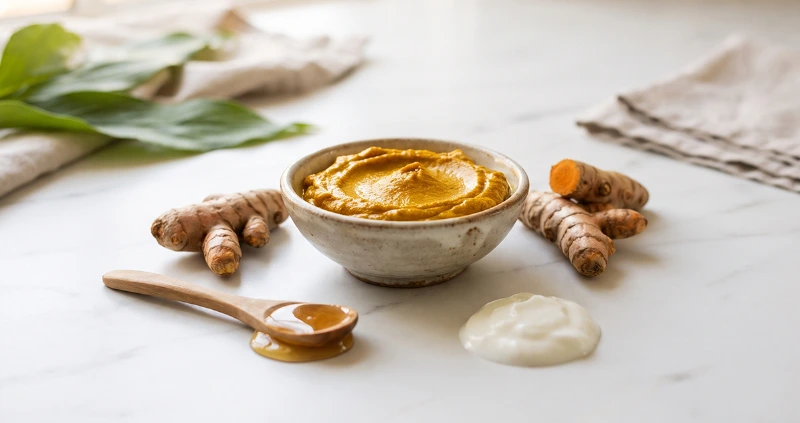
Turmeric Face Mask Recipes for Glowing Skin and Acne Scars
Achieving a clear, radiant complexion is a common goal, but it can often feel like an endless puzzle. You might find yourself trying dozens of different cleansers, chemical peels, and expensive spot treatments, only to be left with dry, irritated skin. When harsh chemical products strip away your skin’s natural moisture barrier, acne breakouts and dark spots often become worse instead of better.
If your skin is feeling stressed and overwhelmed, the best solution is usually the simplest one. For generations, traditional holistic skincare has relied on a bright yellow kitchen staple to heal and brighten the skin: turmeric. This golden spice is not just for cooking; it is a powerful topical treatment for hyperpigmentation, active breakouts, and dullness. Let us explore why this natural ingredient is so effective and how you can easily make your own turmeric face mask for glowing skin at home.
Why Turmeric is a Skincare Superfood
Turmeric (often called Haldi in South Asia) has been a cornerstone of natural beauty rituals for centuries. Brides traditionally apply a turmeric paste before their wedding day to achieve a flawless, bright complexion. But what makes it so powerful? The secret lies in an active compound called curcumin.
The Power of Curcumin against Acne
Curcumin is a highly potent antioxidant with strong anti-inflammatory and antibacterial properties. When you have an active acne breakout, your skin is battling a bacterial infection within the pores, which causes redness, swelling, and pain. Applying turmeric directly to the skin helps kill these acne-causing bacteria. At the same time, its anti-inflammatory nature quickly reduces the angry red swelling around the pimple, allowing it to heal much faster without leaving a deep scar.
Fading Dark Spots and Scars
Perhaps the most popular reason people use turmeric is its ability to fade hyperpigmentation. After a pimple heals, it often leaves behind a stubborn brown or red mark. Curcumin naturally inhibits the overproduction of melanin—the pigment responsible for dark spots. Regularly using a turmeric mask gently lightens these acne scars, evens out your overall skin tone, and restores your natural glow.
3 Simple DIY Turmeric Face Mask Recipes
You do not need complicated ingredients to create an effective skincare treatment. Here are three targeted recipes you can mix up in your own kitchen.
(Note: Always use organic, pure turmeric powder. If possible, find “Kasturi Haldi” or wild turmeric, as it is specifically meant for the skin and does not leave a heavy yellow stain).
1. The Hydration and Glow Mask (For Dry Skin)
If your skin is looking dull, tired, and flaky, this mask will bring back its natural radiance while providing deep moisture.
-
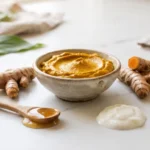
Ingredients: 1/2 teaspoon of turmeric powder, 1 tablespoon of plain yogurt, and 1/2 teaspoon of raw honey.
-
How it Works: Lactic acid in the yogurt gently dissolves dead skin cells, while honey acts as a natural humectant, pulling moisture deep into your pores. Turmeric provides the brightening effect.
-
Directions: Mix the ingredients into a smooth paste. Apply an even layer to your clean face and leave it on for 15 minutes before rinsing with lukewarm water.
2. The Oil-Control Acne Mask (For Oily / Acne-Prone Skin)
If you struggle with excess sebum (oil) and frequent breakouts, this mask will help clear your pores without over-drying your face.
-
Ingredients: 1/2 teaspoon of turmeric powder, 1 tablespoon of chickpea flour (Besan), and 1 to 2 tablespoons of fresh lemon juice or rose water.
-
How it Works: Chickpea flour is an excellent natural absorbent that pulls excess oil and dirt from the pores. Lemon juice offers a mild dose of Vitamin C to lighten marks, while turmeric targets the acne bacteria.
-
Directions: Blend into a medium-thick paste. Apply to the skin and let it dry completely (about 20 minutes). Gently massage with wet fingers while rinsing to get a mild exfoliating effect.
3. The Soothing Mask (For Sensitive Skin and Redness)
Sensitive skin requires a very gentle touch. This recipe reduces redness and irritation safely.
-
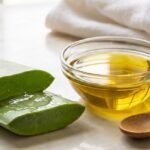
Ingredients: 1/4 teaspoon of turmeric powder and 2 tablespoons of pure Aloe Vera gel.
-
How it Works: Aloe Vera is famous for its cooling, soothing, and healing properties. Combined with a tiny pinch of turmeric, it creates a cooling gel mask that reduces facial redness and calms irritated skin.
-
Directions: Mix well until the gel turns a pale gold color. Apply a thick layer to your face and relax for 10 to 15 minutes before washing it off gently.
How to Avoid the “Yellow Stain”
One of the biggest fears people have about using turmeric on their face is the temporary yellow stain it can leave behind. To avoid looking like a glowing yellow lightbulb, follow these rules:
-
Less is More: You only need a tiny pinch or half a teaspoon. Using tablespoons of turmeric will definitely stain your skin.
-
Mix with Dairy or Oils: Curcumin is fat-soluble. Mixing it with yogurt, milk, or a few drops of carrier oil prevents it from sticking to your skin cells.
-
Use a Toner: If you do notice a slight yellow tint after washing, simply wipe your face with a cotton pad soaked in pure rose water or a gentle toner.
Locking in the Glow: Your Post-Mask Routine
A face mask is only one part of a healthy skincare routine. After washing off any DIY mask, your pores are freshly cleaned and highly receptive to moisture. If you leave your skin bare, it can dry out and start producing excess oil to compensate.
To lock in that fresh glow, it is crucial to follow up with a high-quality, lightweight moisturizer. We highly recommend applying the Al-Sarih Rice Milk Moisturizing Lotion immediately after patting your face dry. Rice milk is renowned for its skin-brightening properties, making it the perfect companion to a turmeric treatment. Because it is lightweight, it hydrates deeply without clogging your pores.
Furthermore, if you are applying these masks during the day, your fresh skin must be protected from UV rays, which can make acne scars darker. Always finish your morning routine with a reliable sunblock, such as the Al-Sarih Rice & Licorice Hydrating Sunscreen SPF 50+, which offers dual protection and natural skin-lightening benefits.
Treating Stubborn Acne from the Inside Out
While topical treatments like turmeric masks and high-quality lotions work wonders on the surface, some skin issues go much deeper. If you are dealing with severe, painful cystic acne that refuses to clear up, it is usually a sign of internal inflammation, hormonal imbalance, or toxic buildup in the blood.
In holistic wellness, treating the root cause is essential. For deep-rooted skin issues, professional treatments like Sunnah Hijama (wet cupping) or specialized Facial Cupping can be transformative. By naturally filtering stagnant blood and drawing fresh circulation to the facial tissues, these therapies encourage cellular repair from the inside out. At Shifa-e-Rehmat, our certified experts provide professional, sterile cupping therapies designed to support your body’s natural healing processes.
Frequently Asked Questions
Can I use a turmeric mask every day? No, it is not recommended to use any active face mask every single day. Using a turmeric mask 2 to 3 times a week is more than enough to see significant brightening results without irritating your skin barrier.
Will turmeric burn my skin? Pure turmeric should not burn. However, if you add too much lemon juice to your mask, or if you have microscopic cuts on your skin, you might feel a slight tingling sensation. If a mask ever burns painfully, wash it off immediately.
Can I store leftover mask mixture in the fridge? It is always best to make DIY face masks fresh. However, if you have leftover mixture (especially recipes without dairy), you can store it in an airtight container in the fridge for up to two days.
How long does it take for turmeric to fade acne scars? Natural remedies require consistency. Most people notice a brighter overall complexion after just two uses, but fading deep acne scars usually takes 4 to 8 weeks of consistent, weekly application.
Final Thoughts
You do not need to subject your skin to harsh chemicals to achieve a beautiful, radiant complexion. By utilizing the natural anti-inflammatory and brightening power of a turmeric face mask, you can gently heal active breakouts and fade stubborn acne scars. Combine this weekly holistic habit with a daily routine of premium herbal hydration and, if needed, deep internal therapies like Hijama. When you treat your skin with patience, pure ingredients, and natural care, a healthy, lasting glow is sure to follow.
Health Disclaimer This article is provided for educational purposes and should not be considered medical advice. Always perform a patch test on a small area of your jawline or inner arm before applying a new ingredient to your entire face to ensure you do not have an allergic reaction. If you suffer from severe dermatological conditions, please consult a licensed dermatologist.