How to Use Turmeric and Ginger to Reduce Inflammation Naturally
If you wake up every morning with stiff joints, achy muscles, or a general feeling of heaviness, you are not alone. Millions of people around the world struggle with chronic aches and pains on a daily basis. For many, the immediate solution is to reach for over-the-counter painkillers or chemical anti-inflammatory drugs. While these medications might provide quick, temporary relief, relying on them long-term can lead to a host of digestive issues, liver strain, and a weakened immune system.
Fortunately, nature has provided us with powerful, safe, and highly effective alternatives. For thousands of years, traditional healers and holistic wellness experts have relied on two incredible roots to fight pain and sickness: turmeric and ginger. These vibrant spices are much more than just kitchen ingredients; they are medicinal powerhouses. In this comprehensive guide, we will explore the deep science behind these two golden roots, how they work together to fight chronic inflammation, and the best ways to incorporate them into your daily wellness routine.
Understanding the Root of the Problem: What is Chronic Inflammation?
Before we dive into the remedies, it is crucial to understand what we are actually treating. Inflammation is not always a bad thing. When you accidentally cut your finger or catch a cold, your body sends a rush of white blood cells to the affected area to protect and heal it. This is called acute inflammation, and it is a perfectly normal, healthy immune response. You might notice localized redness, heat, or minor swelling during this process.
However, the problem arises when this immune response never switches off. Due to high-stress levels, poor dietary choices, lack of sleep, and environmental toxins, your body can remain in a constant state of high alert. This is known as chronic inflammation. Instead of healing you, chronic inflammation slowly damages healthy cells, tissues, and joints over time.
Medical experts now agree that chronic inflammation is the hidden root cause behind numerous health conditions, including severe arthritis, joint degeneration, chronic back pain, digestive disorders, and persistent fatigue. To truly heal the body, we must turn off this internal “fire,” and that is exactly where turmeric and ginger come into play.
Turmeric: The Golden Healer
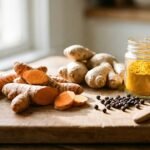
Turmeric is easily recognizable by its bright, golden-yellow color. It has been a staple in South Asian herbal wellness and culinary traditions for centuries. The true medicinal magic of turmeric comes from its most active and heavily researched compound: curcumin.
How Curcumin Fights Inflammation
Curcumin is a remarkably strong antioxidant and anti-inflammatory agent. In fact, numerous scientific studies have compared the effectiveness of curcumin to pharmaceutical anti-inflammatory drugs, finding that curcumin works just as well, if not better, without the dangerous side effects.
On a molecular level, curcumin actively blocks inflammatory enzymes and pathways in the body, most notably the COX-2 enzyme. By blocking these pathways, it stops the production of the chemicals that trigger pain and swelling. For people suffering from joint stiffness or arthritis, a daily dose of curcumin can significantly improve mobility, reduce morning stiffness, and eliminate the deep, throbbing pain in the knees and lower back.
The Secret to Absorbing Turmeric
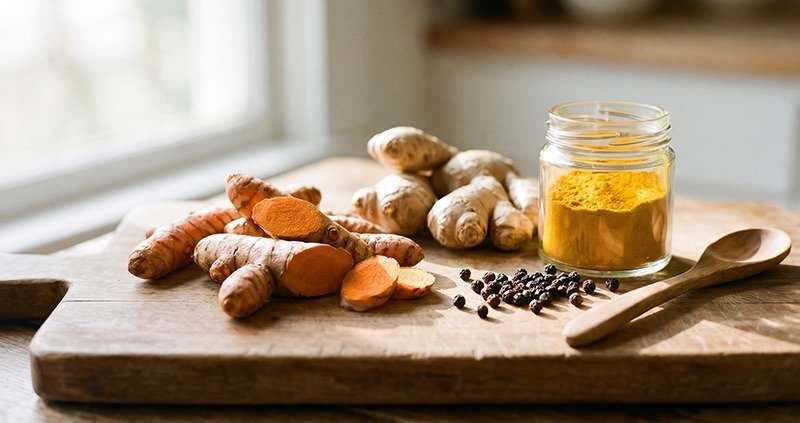
There is one very important rule when using turmeric for health: curcumin is poorly absorbed into the bloodstream on its own. If you simply eat raw turmeric, your body will pass most of it out as waste. To unlock its full potential, you must combine it with two things:
-
Black Pepper: Black pepper contains a compound called piperine, which boosts the absorption of curcumin by an astonishing 2,000 percent.
-
Healthy Fats: Curcumin is fat-soluble. Consuming it with a healthy fat, such as pure olive oil, coconut oil, or whole milk, allows it to bypass the liver and enter your bloodstream directly.
Ginger: The Warming Root
Ginger belongs to the exact same botanical family as turmeric (the Zingiberaceae family), making them close botanical cousins. While turmeric focuses heavily on blocking inflammatory enzymes, ginger brings its own unique set of healing properties to the table. The active medicinal compounds in ginger are called gingerols and shogaols.
Muscle Recovery and Joint Relief
Gingerol has a profound warming effect on the body. It actively improves blood circulation, ensuring that oxygen and essential nutrients are delivered to damaged, aching muscles. For individuals who experience severe muscle soreness after physical labor or exercise, ginger acts as a natural muscle relaxant. It significantly reduces the day-to-day progression of muscle pain and helps soothe the sharp, burning sensation associated with inflamed joints.
Calming the Gut to Heal the Body
In holistic wellness, we understand that true health begins in the gut. A highly inflamed digestive system cannot absorb the nutrients needed to repair the rest of the body. Ginger is world-renowned for its ability to calm the digestive tract, reduce nausea, and eliminate severe bloating. By lowering inflammation in the stomach lining, ginger allows your digestive system to rest, recover, and function optimally.
Why Turmeric and Ginger are the Perfect Pair
While turmeric and ginger are powerful on their own, combining them creates a highly synergistic healing effect. Because they target inflammation through slightly different pathways, taking them together provides a broader, more comprehensive defense against chronic pain. Turmeric works at the cellular level to block the enzymes that cause swelling, while ginger aggressively targets muscle soreness, improves local blood flow, and settles the stomach. Together, they form the ultimate holistic defense against bodily wear and tear.
3 Easy Ways to Use Turmeric and Ginger Daily
Incorporating these powerful roots into your lifestyle does not have to be difficult or time-consuming. Here are three highly effective, natural recipes you can easily prepare at home.
1. The Ultimate Golden Milk (Haldi Doodh) for Night Recovery
This traditional herbal drink is perfect for reducing joint pain and promoting deep, restorative sleep.
-
Ingredients: 1 cup of warm milk (dairy or almond), 1/2 teaspoon of pure turmeric powder, 1/4 teaspoon of freshly grated ginger, a tiny pinch of black pepper, and a teaspoon of raw honey.
-
Directions: Pour the milk into a small saucepan and add the turmeric, ginger, and black pepper. Bring it to a gentle simmer for about 5 to 10 minutes to allow the active compounds to release into the fats of the milk. Remove from heat, strain into a mug, stir in the honey once it cools slightly, and drink 30 minutes before bed.
2. The Morning Anti-Inflammatory Detox Tea
Start your day by flushing out toxins and waking up your digestive system.
-
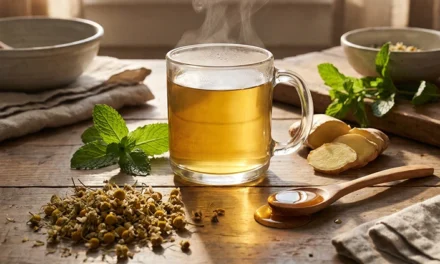
Ingredients: 1 inch of fresh ginger root (sliced thin), 1/2 teaspoon of turmeric powder, a pinch of black pepper, half a lemon, and 2 cups of filtered water.
-
Directions: Boil the water with the ginger slices and turmeric for 10 minutes. Strain the hot, golden liquid into a cup. Squeeze the fresh lemon juice into it. The vitamin C from the lemon provides an extra antioxidant boost. Sip slowly on an empty stomach.
3. Topical Ginger and Turmeric Poultice for Localized Pain
If you have a specific joint that is swollen and hurting (like a bad knee or a stiff shoulder), you can apply these herbs directly to the skin.
-
Ingredients: 1 tablespoon of turmeric powder, 1 tablespoon of freshly grated ginger, and 1 to 2 tablespoons of warm olive oil or black seed oil.
-
Directions: Mix the ingredients into a thick, warm paste. Apply the paste directly over the painful, inflamed joint. Cover it with a clean cotton cloth or medical gauze and leave it on for 30 to 45 minutes before washing it off. (Note: Turmeric will temporarily leave a yellow tint on your skin).
The Ultimate Holistic Strategy: Herbs and Hijama Therapy
Drinking herbal teas and consuming golden milk will undoubtedly lower your internal inflammation levels. However, for people suffering from severe, long-term chronic pain, internal herbal wellness should be combined with external physical detoxification.
When a muscle or joint has been inflamed for months or years, the blood in that specific area becomes highly stagnant and toxic. This trapped, deoxygenated blood prevents fresh, nutrient-rich blood from entering the tissue to heal it. While turmeric and ginger thin the blood and reduce the swelling, Sunnah Hijama (wet cupping) physically draws out the toxic, stagnant blood from the body.
Combining a daily regimen of anti-inflammatory herbs with a scheduled Hijama session is one of the most effective, complete holistic strategies available. The herbs prepare your body from the inside, and the cupping therapy clears the physical blockages from the outside.
If your chronic pain makes traveling difficult, you do not have to struggle through traffic to find relief. Shifa-e-Rehmat provides premium, highly professional home Hijama services. Our certified male and female therapists bring a sterile, clinical setup directly to your home. You can enjoy a warm cup of ginger-turmeric tea in your own kitchen, receive a deep, pain-relieving cupping session in the privacy of your bedroom, and rest immediately afterward to maximize your body’s natural healing response.
Precautions: Who Should Be Careful?
While turmeric and ginger are 100% natural, they are very potent. It is important to use them responsibly:
-
Blood Thinners: Both turmeric and ginger naturally thin the blood to improve circulation. If you are on prescription blood-thinning medications, consult your doctor before consuming large medicinal amounts.
-
Gallbladder Issues: High doses of turmeric can cause the gallbladder to contract. People with gallstones should avoid concentrated turmeric supplements.
-
Pregnancy: While using these spices in normal cooking is safe, pregnant women should avoid highly concentrated herbal detox teas without medical supervision.
Frequently Asked Questions
How long does it take for turmeric and ginger to reduce joint pain? Natural herbal remedies work by healing the body, not just masking the pain. Most people begin to feel a noticeable reduction in stiffness and swelling after 2 to 4 weeks of consistent, daily use.
Can I use powdered ginger instead of fresh ginger root? Yes, powdered ginger is highly concentrated and very effective. However, fresh ginger root contains slightly different active compounds that are exceptionally good for the stomach and digestion. Both are beneficial.
Should I take turmeric supplements in pill form? While high-quality capsules can be convenient, getting your nutrients from whole foods (like golden milk or herbal tea) is usually better. If you do choose a supplement, ensure it explicitly lists “piperine” or “black pepper extract” on the label for absorption.
Is it safe to get Hijama therapy while consuming turmeric daily? Absolutely. In fact, consuming natural blood-thinning and anti-inflammatory herbs like turmeric and ginger in the days leading up to a Hijama session can actually improve the quality of the detoxification process.
Final Thoughts
You hold the power to heal your body naturally. By moving away from a heavy reliance on chemical painkillers and embracing the ancient, scientifically backed power of turmeric and ginger, you can significantly reduce chronic inflammation. Whether you sip them in a warm morning tea or blend them into a comforting nighttime milk, these golden roots offer a safe pathway to a pain-free life. When you pair this internal herbal wellness with deep physical therapies like professional home Hijama, you provide your body with the ultimate environment for lasting health and vitality.
Health Disclaimer The information provided in this article is for educational and holistic wellness purposes only. It is not intended to be a substitute for professional medical advice, diagnosis, or treatment. If you suffer from severe chronic illness, are pregnant, or are taking prescription medications, always consult a qualified healthcare provider before adopting new herbal regimens.