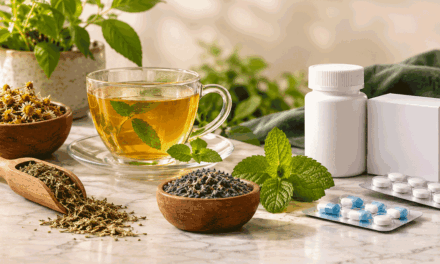

Top 5 Herbal Teas for Natural Detox and Digestive Health
In today’s busy world, many of us rely on fast food, processed snacks, and highly caffeinated drinks to get through the day. While these choices might save time, they often leave our bodies feeling sluggish, heavy, and tired. Over time, a poor diet and high stress levels can take a serious toll on our digestive system, leading to uncomfortable bloating, acid reflux, and irregular digestion.
If you are feeling weighed down and exhausted, you do not need extreme diets or harsh chemical cleanses to feel better. Instead, you can turn to one of the oldest, gentlest, and most effective holistic traditions in the world: herbal wellness. Drinking warm herbal teas is a highly effective, natural way to support your body’s built-in detox process and soothe an upset stomach. In this comprehensive guide, we will explore the top five herbal teas for natural detox and digestive health, and how to use them effectively in your daily routine.
Understanding Natural Detoxification
Before we look at the specific teas, it is important to understand what “detox” actually means. Many commercial products claim to instantly wash toxins out of your body, but medically speaking, your body already has its own highly efficient detox system. Your liver, kidneys, digestive tract, and skin work around the clock to filter out waste and harmful substances.
Therefore, a true natural detox is not about forcing your body to do something unnatural. It is simply about providing your liver and digestive system with the hydration, antioxidants, and anti-inflammatory compounds they need to do their jobs more efficiently. Herbal teas provide exactly that. They offer deep hydration combined with the gentle healing properties of pure plants and herbs.
1. Peppermint Tea: The Ultimate Stomach Soother
Peppermint tea is perhaps one of the most famous and widely used herbal teas for digestive health, and for good reason. It has a refreshing, cooling flavor, but its real power lies in an active natural compound called menthol.
Menthol acts as a natural antispasmodic, which means it helps relax the muscles of your digestive tract. When your stomach muscles are relaxed, food and trapped gas can move through your system much more easily. This makes peppermint tea highly effective at relieving painful stomach cramps, reducing severe bloating, and calming trapped gas after a heavy meal. A warm cup of peppermint tea after dinner can help your stomach settle, allowing you to rest comfortably without the discomfort of indigestion.
2. Ginger Tea: The Anti-Inflammatory Powerhouse
Ginger has been a cornerstone of traditional herbal wellness and Prophetic medicine for thousands of years. It has a slightly spicy, warming flavor that immediately comforts the stomach. The active healing compound in ginger is called gingerol, which is famous for its powerful anti-inflammatory and antioxidant effects.
Ginger tea is incredibly effective at speeding up the emptying of the stomach. If you suffer from chronic indigestion or feel uncomfortably full for hours after eating, ginger tea can help push the food smoothly into the lower digestive tract. Furthermore, it is widely recognized as one of the best natural remedies for nausea. Whether you are dealing with morning sickness, travel sickness, or a general upset stomach, sipping on warm ginger tea can bring rapid relief.
3. Dandelion Root Tea: The Liver’s Best Friend
While it is often treated as a common weed in many gardens, the dandelion plant is actually a highly prized herb in traditional wellness practices. Dandelion root tea has an earthy, slightly bitter taste, often compared to a mild, caffeine-free coffee.
When it comes to natural detoxification, your liver is your most important organ. Dandelion root contains special bitter compounds that stimulate the production of bile in the liver. Bile is a fluid that helps break down fats and carry away waste. By increasing bile production, dandelion root tea actively helps your liver filter out toxins more efficiently. It also acts as a gentle, natural diuretic, helping your kidneys flush out excess water and salt through urine, which reduces water retention and bloating.
4. Chamomile Tea: Calming the Gut-Brain Connection
You might already know chamomile tea as a bedtime drink used to treat insomnia and promote relaxation. However, its calming effects do not just apply to your mind; they apply directly to your stomach as well.
Medical science now understands that the brain and the digestive system are deeply connected through what is called the gut-brain axis. When you are mentally stressed or anxious, your digestive system often slows down or becomes inflamed, leading to stomach aches or diarrhea. Chamomile contains a unique antioxidant called apigenin, which binds to specific receptors in your brain to reduce anxiety and initiate sleep. By calming your nervous system, chamomile tea also calms your digestive tract. It reduces stomach spasms, lowers gut inflammation, and helps heal the stomach lining, making it a perfect evening detox tea.
5. Fennel Tea: The Digestive Balancer
Fennel seeds have been used for centuries across the Middle East and Asia to treat digestive complaints. Fennel tea has a naturally sweet, slightly licorice-like flavor that many people find very soothing.
Fennel is packed with essential oils like anethole, fenchone, and estragole, which possess strong antispasmodic and anti-inflammatory properties. It is especially helpful for people who suffer from chronic gas and severe bloating. Fennel tea helps relax the smooth muscles of the intestines, allowing trapped gas to pass naturally. Additionally, it stimulates the secretion of digestive juices and enzymes, ensuring that the food you eat is broken down properly and that your body absorbs all the necessary nutrients.
How to Incorporate Herbal Teas into Your Daily Routine
Building a natural detox habit does not require you to drink gallons of tea every day. Consistency is much more important than volume. Here is a simple, effective daily routine you can try:
-
Morning: Start your day with a warm cup of Ginger tea. The warming effect wakes up your digestive system and prepares your stomach for breakfast.
-
After Lunch: Enjoy a cup of Dandelion Root or Fennel tea to aid digestion and prevent the heavy, sluggish feeling that often causes the mid-afternoon energy crash.
-
After Dinner: Sip on Peppermint tea to relieve any bloating from your evening meal.
-
Before Bed: Finish your day with a calming cup of Chamomile tea to relax your nervous system and prepare your body for deep, restorative sleep.
Combining Herbal Wellness with External Therapies
Drinking herbal teas is a fantastic way to support your body’s internal detoxification. However, for a complete holistic wellness approach, internal care should be combined with external physical therapies. This is where Sunnah Hijama (wet cupping) plays a vital role.
While dandelion and ginger tea help your liver process toxins internally, Hijama physically draws out stagnant, toxic blood from your muscles and tissues externally. When you combine these two natural therapies, the healing results are remarkable. Drinking hydrating detox teas for a few days before a cupping session thins your blood and makes the Hijama treatment much more effective.
If you want to experience the ultimate relaxing detox, you do not even need to leave your house. At Shifa-e-Rehmat, we offer premium home Hijama services. Our highly trained, certified therapists bring a completely sterile, medical-grade cupping setup directly to your doorstep. You can enjoy a warm cup of chamomile tea in your living room, receive a deeply detoxifying cupping session in your bedroom, and then go straight to sleep without the stress of traveling back from a clinic.
Quality Matters: Choosing the Right Herbs
When selecting herbal teas, quality is everything. Always look for 100% organic, loose-leaf herbs or high-quality tea bags that do not contain artificial flavors, synthetic colors, or hidden sugars. If a product has a strong chemical smell, it is likely heavily processed and will not provide the holistic health benefits you are looking for. True wellness relies on the purity of nature.
Frequently Asked Questions
Can I drink herbal detox tea every day?
Yes, herbal teas like chamomile, peppermint, and ginger are generally very safe and beneficial for daily consumption. They provide excellent hydration and gentle daily support for your stomach.
Will detox teas help me lose weight?
Herbal teas are not a magic weight-loss cure. However, they do reduce water retention, eliminate severe bloating, and improve your digestion, which can make your stomach look flatter and help you feel much lighter.
Should I add sugar to my herbal tea?
It is best to avoid refined white sugar, as it causes inflammation and defeats the purpose of a detox. If you need sweetness, add a small spoonful of pure, raw honey once the tea has cooled down slightly.
Is it safe to drink herbal teas before a Hijama session?
Yes! Staying hydrated is crucial before cupping therapy. Drinking warm, clear herbal teas like ginger or chamomile helps improve your blood circulation, making your Hijama session smoother and more effective.
Final Thoughts
Supporting your digestive health and naturally detoxifying your body does not have to be difficult or stressful. By simply adding a few cups of high-quality herbal tea to your daily routine, you can soothe your stomach, reduce bloating, and boost your overall energy levels. When you combine this natural, internal hydration with powerful external therapies like professional home Hijama, you give your body everything it needs to heal, restore, and thrive.
Health Disclaimer
This article is for general educational purposes only. It is not intended to diagnose, treat, or cure any medical conditions. If you are pregnant, nursing, taking prescription medications, or suffer from severe chronic digestive issues, please consult with a qualified healthcare professional before adding new herbal remedies to your diet.