What Happens to Your Skin During Cupping? Understanding Marks, Bruising and Recovery
If you have ever seen the round marks left after cupping therapy, you may have wondered what they mean.
Are they bruises? Is the skin damaged? How long will they stay? And when should you be concerned?
These are common questions, especially for someone considering cupping therapy for the first time.
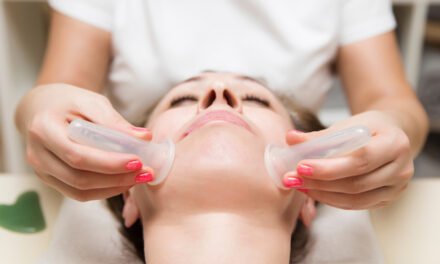
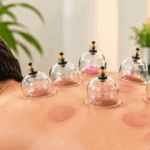
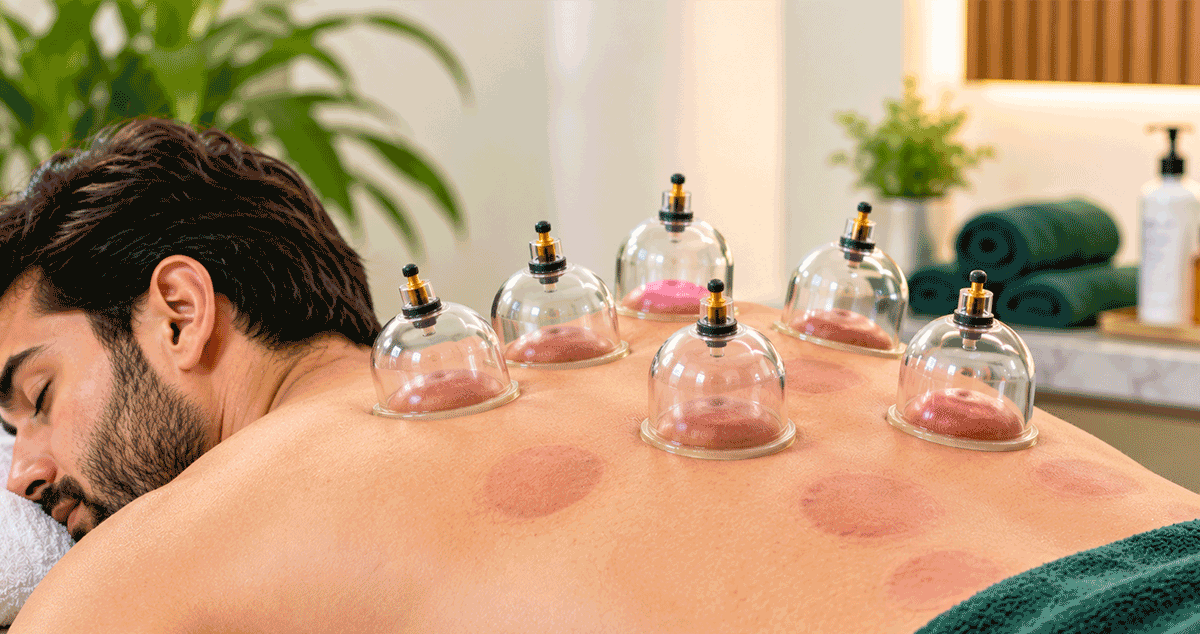
Cupping creates suction against the skin. Depending on the type of cupping used, the treatment can cause temporary changes in the skin’s appearance, including round red, purple or darker marks. These marks are a known effect of cupping and usually fade with time.
Understanding why these marks appear can make the treatment experience less surprising and help you recognize the difference between an expected skin response and a problem that needs professional attention.
Why Does Cupping Leave Marks on the Skin?
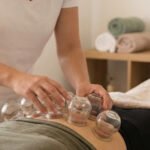
During cupping, a cup is placed against the skin and negative pressure is created inside it. This suction pulls the skin and the tissues underneath it upward into the cup.
The pressure can affect tiny blood vessels close to the surface of the skin. As a result, blood may collect beneath the skin and produce the familiar circular mark associated with cupping. Cleveland Clinic explains that the suction can break small capillaries beneath the skin, producing red, round marks that can look similar to bruises.
The appearance of the mark can vary from person to person.
Some people may develop light red or pink circles. Others may notice deeper red, purple or darker marks. The intensity can depend on factors such as suction strength, treatment time, the area being treated and individual skin characteristics.
A darker mark does not automatically mean that something has gone wrong.
Are Cupping Marks the Same as Bruises?
Cupping marks can look very similar to bruises, but the exact skin response depends on the treatment and the individual.
With dry cupping, the skin is not pierced. The suction itself can cause small blood vessels near the skin surface to leak blood into the surrounding tissue, creating a visible mark.
Wet cupping is different because the skin is pierced before or during the procedure and blood is drawn into the cup. This means there are additional considerations around wound care and infection prevention.
Because cupping marks can resemble bruises, it is useful to understand how they happened. The National Center for Complementary and Integrative Health notes that temporary marks from cupping should be explained to healthcare professionals so that they are not mistaken for signs of physical abuse.
In simple terms, the circular appearance is closely linked to the shape and suction of the cup.
How Long Do Cupping Marks Last?
There is no exact number of days that applies to everyone.
Cupping marks usually become lighter as the body gradually clears the blood that has collected under the skin. The color may change during the recovery period before the mark disappears.
Cleveland Clinic states that cupping marks generally fade within about one to two weeks.
However, some marks may fade sooner, while others can remain visible for longer. Skin tone, the strength and duration of suction, the treatment area and individual healing can all affect how quickly the appearance returns to normal.
This is why it is better to think of one to two weeks as a general guide rather than a fixed deadline.
If a mark is slowly becoming lighter and there are no concerning symptoms, this is generally a more reassuring pattern.
Why Are Some Cupping Marks Darker Than Others?
Not every cupping mark looks the same.
One session may leave light pink circles, while another may produce darker purple or reddish marks. Several factors can influence the appearance.
Suction Strength
Stronger suction can create a more noticeable response in the skin. However, stronger does not automatically mean better.
Cupping should be performed using an appropriate technique and should take the individual’s health and skin condition into account.
Length of Treatment
The amount of time a cup remains in place can affect the skin’s response.
Treatment Area
Different parts of the body have different skin thickness, blood supply and tissue characteristics. A mark may therefore look different depending on where the cup was applied.
Individual Skin Characteristics
People naturally have different skin tones, sensitivity and healing patterns. The same treatment may produce noticeably different marks in two people.
For this reason, comparing your marks directly with photographs from someone else is not always useful.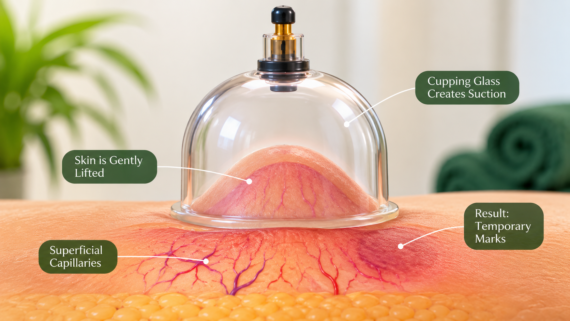
What Should Your Skin Feel Like After Cupping?
After dry cupping, some people may notice mild tenderness or a bruised feeling around the treated area.
Cleveland Clinic notes that people may experience some skin tightness during treatment and mild soreness afterward, but severe discomfort is not expected.
The skin may also feel sensitive for a short period.
After wet cupping, there is an additional wound-care component because the skin has been pierced. This makes proper hygiene and aftercare particularly important.
If pain becomes severe, continues to worsen or is accompanied by other concerning symptoms, it should not simply be assumed to be a normal part of recovery.
What Can You Do After Cupping to Care for Your Skin?
Good aftercare is mainly about allowing the skin to recover and avoiding unnecessary irritation.
Keep the Area Clean
If the skin has been pierced, appropriate wound hygiene is particularly important. Follow the specific aftercare instructions provided by the qualified practitioner who performed the procedure.
Avoid Unnecessary Irritation
Avoid aggressive rubbing, scratching or exfoliating the treated area.
The skin may be more sensitive immediately after treatment, so giving it time to settle is sensible.
Stay Aware of Your Skin
Pay attention to how the area changes over the following days.
A mark that gradually becomes lighter is different from an area that becomes increasingly painful, swollen or inflamed.
Follow Professional Aftercare Instructions
Aftercare can vary depending on whether dry or wet cupping was performed. Your practitioner should provide instructions appropriate to the treatment you received.
When Should You Be Concerned About a Cupping Mark?
Most temporary marks are not a reason for alarm. However, not every skin reaction should automatically be attributed to normal cupping.
Seek medical advice if you notice symptoms such as:
- Increasing or severe pain
- Significant swelling
- Pus or unusual discharge
- Increasing warmth or redness around a wound
- Fever or feeling unwell
- Skin changes that continue to worsen rather than improve
- A wound that does not appear to be healing normally
In wet cupping, infection is an important safety consideration because the skin is intentionally pierced. Cupping can also cause other adverse effects, particularly when proper safety procedures are not followed. Research on cupping safety emphasizes appropriate patient selection, practitioner training and standardized safety procedures.
Rare but serious complications have also been reported in the medical literature. These reports do not mean that serious complications are common, but they reinforce why qualified practice and appropriate precautions matter.
Do Darker Marks Mean That More “Toxins” Were Removed?
This is an important point to clarify.
A darker cupping mark should not automatically be interpreted as proof that more toxins were removed from the body.
The visible color is primarily related to the local response of the skin and small blood vessels to suction. The scientific evidence does not support using the darkness of a cupping mark as a reliable measurement of toxins removed from the body.
This is one reason health information about cupping should distinguish traditional explanations from what has been established through modern research.
The evidence for cupping itself is still developing. NCCIH notes that although cupping has been studied for several conditions, much of the research is of low quality, and there is not enough high-quality evidence to draw firm conclusions about its usefulness for many conditions.
Does a Stronger Mark Mean a Better Cupping Session?
Not necessarily.
It can be tempting to think that a darker or larger mark means the treatment was more effective. There is no reliable scientific basis for using the appearance of the mark as a score for treatment quality.
A responsible approach focuses on appropriate technique, patient safety, hygiene and the individual’s reason for seeking treatment.
Cupping should not be treated as a competition to produce the darkest possible marks.
The goal should always be safe and appropriate care.
Can You Prevent Cupping Marks?
It may not be possible to completely prevent marks when receiving cupping therapy because the marks are related to the suction itself.
Their intensity may vary according to technique, pressure, treatment time and individual skin response.
If visible marks are a concern, discuss this with the practitioner before treatment. They can explain what type of response may be expected and whether the selected technique is appropriate for your situation.
It is also worth considering practical factors. If you have an important event, photo session or occasion coming up, remember that marks may remain visible for several days or longer.
Cupping Marks and Different Skin Tones
Cupping marks can appear differently across different skin tones.
On lighter skin, they may look red, pink or purple. On deeper skin tones, the color may be less obviously red and can appear darker or more muted.
This difference does not necessarily mean that the treatment produced a stronger or weaker response.
When discussing skin changes, it is more useful to consider symptoms, healing and the overall condition of the treated area than to judge the treatment by color alone.
Frequently Asked Questions
How long do cupping marks usually last?
Cupping marks commonly fade within about one to two weeks, although the exact recovery time varies between individuals.
Are cupping marks harmful?
Temporary marks are a recognized effect of cupping. However, more serious skin problems can occur, particularly when treatment is not performed safely. Increasing pain, swelling, infection signs or worsening symptoms should be assessed by a healthcare professional.
Why are my cupping marks dark purple?
The suction can affect small blood vessels beneath the skin and cause blood to collect in the surrounding tissue. This can produce red, purple or darker circular marks. The appearance varies between individuals.
Can I exercise after cupping?
There is no single rule that applies to everyone. Follow the aftercare guidance provided by your practitioner, especially if the skin was pierced during wet cupping. If the treated area is sore or sensitive, allowing it time to settle may be sensible.
Does a darker cupping mark mean a better result?
No. The darkness of a mark should not be used as a measure of treatment effectiveness.
When should I contact a doctor after cupping?
Seek medical advice if you develop severe or increasing pain, significant swelling, pus, spreading redness or warmth, fever, or another unusual reaction that is getting worse rather than better.
Final Thoughts
Cupping marks can look dramatic, especially if you have never experienced the treatment before. In most cases, they are temporary changes caused by the suction applied to the skin and gradually become less visible as the skin recovers.
The most useful thing is to understand what is expected and what is not.
A normal-looking mark should gradually fade. Persistent or worsening pain, swelling, infection signs or other unusual symptoms deserve attention rather than being dismissed as part of the treatment.
Cupping is a traditional practice with a growing body of modern research, but the quality of evidence varies across different uses. A responsible approach is therefore important. Treatment should be performed using appropriate hygiene and safety procedures, and cupping should not replace professional medical care when a medical condition requires diagnosis or treatment.
Health Disclaimer
This article is for general educational purposes only. It does not diagnose, treat or cure any medical condition. If you have a medical condition, are taking medication, or develop concerning symptoms after cupping, consult a qualified healthcare professional.