
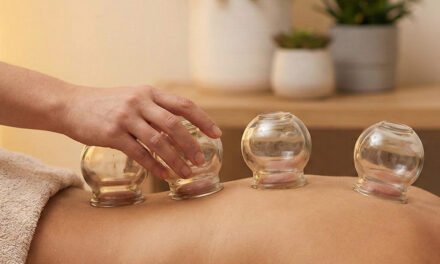
Cupping therapy, referred to as “Hijama” in Arabic, has been highly regarded in Islamic tradition for centuries. It is referenced in numerous hadiths (sayings of Prophet Muhammad (ﷺ)), which underscore its advantages in terms of health and well-being.
Hadiths Regarding Cupping Therapy:
Sahih Bukhari: Narrated by Ibn ‘Abbas:
“The Prophet (ﷺ) stated that healing is embodied in three elements: cupping, branding (cauterization), and a gulp of honey.” However, I prohibit my disciples from employing (cauterization) branding with fire. (Sahih Bukhari 5680)
Sahih Muslim: Narrated by Jabir ibn Abdullah:
“I heard the Prophet (ﷺ) saying: ‘If there is any good in your medical treatments, it is in the blade of the cupper, a drink of honey or cauterization by fire (branding), but I would not like to be cauterized.'” (Sahih Muslim, 2055)
Sunan Abu Dawood: Narrated by Abu Huraira:
“The Messenger of Allah (ﷺ) said: ‘Whoever performs cupping on the 17th, 19th or 21st day (of the lunar month), it will be for him a cure for every disease.'” (Sunan Abu Dawood 3861)
Islamic Perspective on Health and Medicine
Islam promotes medical treatment and the maintenance of one’s health. The Prophet Muhammad (ﷺ) underscored the significance of health and encouraged his adherents to seek treatment for their ailments. Cupping is classified as a form of Prophetic medicine (Tibb an-Nabawi), which encompasses therapies that the Prophet has personally recommended.
Advantages of Cupping Therapy in Islam
Physical Advantages: Cupping is hypothesized to enhance blood circulation, eliminate impurities, and facilitate the healing process.
Spiritual Benefits: All Muslims believe that adhering to the teachings of the Prophet Muhammad (ﷺ) results in spiritual bounties and benefits.
Holistic Approach: Islam advocates for a comprehensive approach to health that encompasses physical, mental, and spiritual well-being. This holistic perspective is consistent with cupping therapy, which addresses various health issues.
In summary, cupping therapy is not only a conventional medical procedure but also a recommended treatment that holds spiritual significance from an Islamic perspective. It is perceived as a beneficial practice that is consistent with the teachings and practices of the Prophet Muhammad (ﷺ).








I was recommended this website by my cousin I am not sure whether this post is written by him as nobody else know such detailed about my trouble You are amazing Thanks
This text seems to be in English. Here’s a comment in English:
Interesting choice of words—simple yet effective. It’s clear and direct, which I appreciate. I wonder if this is part of a larger navigation system or a standalone element. The phrase “Select Page” feels intuitive, but I’m curious if it could be more engaging. Maybe something like “Choose Your Page” would add a bit more personality? What do you think? Also, is there a specific reason for keeping it so concise, or is it just a design preference? I’d love to hear your thoughts on this!
This text seems to be a simple navigation prompt, likely from a website. It’s straightforward and functional, but it doesn’t provide much context or detail. I wonder if this is part of a larger menu or if it’s a standalone element. It’s clear and concise, which is good for usability, but it might benefit from a bit more context to guide the user. What exactly is being selected here? Is it a specific page or a category? I’d love to know more about the purpose behind this prompt. What do you think could make it more engaging or informative?