
Dry Cupping Explained: The Raw Truth About Benefits, Marks, and Recovery
Dry cupping grabs your attention the moment you see the circular purple marks on an athlete’s back. It looks painful. It looks intense. It looks like something that belongs in a medieval dungeon rather than a modern wellness clinic. But there is a reason this ancient practice has survived for thousands of years and is currently flooding your social media feeds. It works for specific problems, provided you understand what it actually does.
Let’s cut through the mysticism and the marketing hype. This isn’t about “realigning your chakras” or “detoxing” in the vague sense people usually mean. This is about mechanics. It is about blood flow, tissue decompression, and the nervous system. If you are dealing with chronic stiffness, athletic recovery issues, or persistent back pain, you need to understand the physics of suction.
What Dry Cupping Actually Is
Most people are used to massage. Massage is compression. A therapist pushes down on your muscles to break up tension. Dry cupping is the inverse. It uses negative pressure to pull the skin and underlying tissue up.
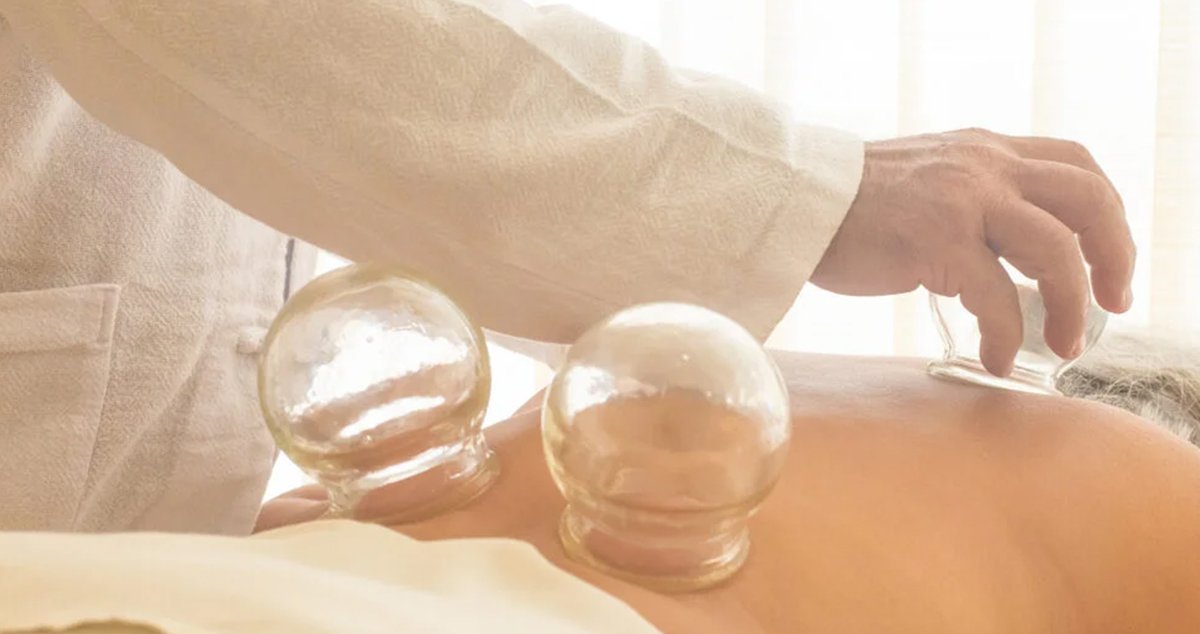
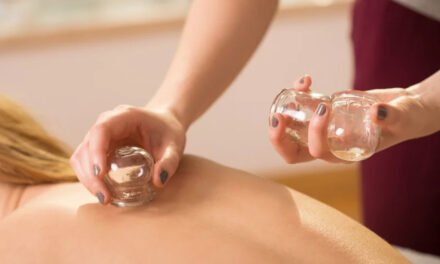
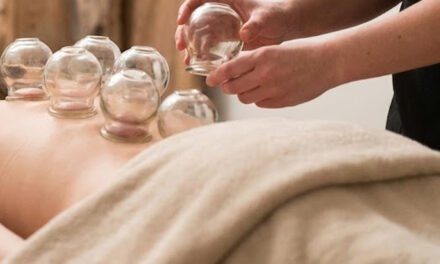
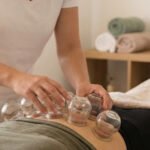
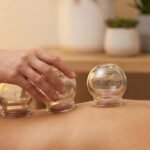
The practitioner places a cup made of glass, plastic, or silicone on the skin and creates a vacuum. This suction lifts the skin and separates the layers of fascia and muscle beneath. It forces fresh blood into the area and encourages lymphatic drainage. Unlike “wet cupping,” which involves making small incisions to draw blood, dry cupping keeps the skin intact. There are no needles and no bloodletting.
The goal here is simple. You are trying to increase circulation to a stagnant area and trigger a healing response. The body views the suction and the resulting rush of fluids as a minor injury or a signal to pay attention to that specific zone. It sends white blood cells and platelets to the area to repair tissue.
How The Mechanism Works
To understand why this helps, you have to understand fascia. Fascia is the connective tissue that wraps around every muscle, bone, and organ in your body. When you are healthy, fascia is slippery and flexible. When you are injured, dehydrated, or sedentary, fascia gets sticky. It adheres to the muscles. This causes that feeling of stiffness and limited range of motion.
The suction from dry cupping physically pulls those layers apart. It is essentially deep tissue release without the downward crushing force of an elbow in your back.
Here is what happens physiologically during a session:
-
Vasodilation: The blood vessels expand. Blood flow increases dramatically to the localized area.
-
Decompression: The lifting action creates space between tissue layers, relieving pressure on pain receptors.
-
Neural Downregulation: The sensation of the cups can switch your nervous system from a “fight or flight” sympathetic state to a “rest and digest” parasympathetic state. This is why many people fall asleep during the treatment despite the pressure.
The Real Benefits (and What’s Just Placebo)
You will hear people claim cupping cures everything from asthma to anxiety. Let’s be realistic. While there is a neurological component that might help with stress, the primary benefits are mechanical and circulatory.
1. Pain Relief and Muscle Tension This is the number one reason to get it done. If you have a knot in your rhomboid or a tight lower back, cupping provides immediate relief by flooding that hypoxic (oxygen-starved) tissue with fresh blood.
2. Increased Range of Motion By loosening the fascia, you move better. This is why you see Olympic swimmers and gymnasts covered in cupping marks. They need that extra 5% of mobility to perform at their peak.
3. Faster Recovery After a heavy workout, your muscles are filled with metabolic waste products. The increased circulation helps flush these out faster than rest alone.
4. Myofascial Trigger Point Release Static cupping on a specific trigger point is often less painful than having a therapist dig their thumb into it for ten minutes. The suction does the work of desensitizing the nerve endings.
The Marks: Wearing Your Recovery
We need to talk about the circles. They are not bruises in the traditional sense. A bruise is caused by blunt force trauma breaking capillaries. The marks from dry cupping are called ecchymosis. They are caused by dead blood, cellular debris, and toxins being drawn from deep within the tissue to the surface.
The color tells a story.
-
Light Pink: Indicates healthy blood flow and mild circulation boost.
-
Dark Red: Suggests moderate stagnation or heat in the muscle.
-
Deep Purple or Black: Indicates severe stagnation and old injury. This usually happens in areas where you have had chronic pain for years.
These marks can last anywhere from three days to two weeks. If you care about aesthetics or have a beach vacation coming up in two days, do not get this done. You will look like you fought an octopus and lost.
Static vs. Dynamic Cupping
There are two main ways practitioners apply this therapy.
Static Cupping This is the classic method. The cups are placed on specific points (usually pain points or acupuncture points) and left alone for 5 to 20 minutes. This is best for targeting deep, stubborn knots.
Dynamic (Gliding) Cupping The therapist applies oil to the skin first. Once the suction is established, they slide the cup along the muscle fibers. This feels like a very intense deep-tissue massage. It is excellent for stripping out tight IT bands or working on large muscle groups like the quads and lats. It is significantly more uncomfortable than static cupping, but the mobility results are often immediate.
Complementary Therapies
Dry cupping is rarely a standalone cure. It works best as part of a system. You open the tissue with cupping, but you still need to address the root cause of your tension. This usually means fixing your posture, hydrating, and using other recovery tools.
If you are looking at holistic recovery, you should also consider how you treat other parts of your body that hold stress, like your scalp. Tension headaches often originate from a tight scalp. While you cannot cup your head effectively, using high-quality products like Nature’s Crown Hair Oil can improve scalp health and encourage relaxation through massage. It is about treating the body as a whole unit rather than just chasing pain symptoms.
Who Should Avoid This?
Just because it is “natural” does not mean it is safe for everyone. Be smart. Do not do this if you fall into these categories:
-
Blood Issues: If you are on blood thinners, have hemophilia, or have deep vein thrombosis (DVT). You do not want to dislodge a clot.
-
Skin Conditions: Do not cup over eczema, psoriasis, open wounds, or sunburn. You will rip your skin.
-
Pregnancy: While some cupping is safe, avoid the lower back and abdomen. Consult a specialist.
-
Systemic Infection: If you have a fever, your body is already fighting. Do not add inflammation to the mix.
What to Expect During a Session
If you have never had dry cupping done, here is the rundown so you are not surprised.
The Sensation When the suction starts, it feels tight. Very tight. It might feel like someone is pinching a large amount of skin. This sensation usually peaks within the first 60 seconds. After that, the area tends to go numb or warm as the nerves desensitize. If it feels like sharp, stabbing pain, tell your therapist immediately. That is not normal.
The Aftermath You will feel loose immediately after the cups come off. You might also feel a bit “floaty” or lightheaded. This is a common response to the sudden drop in blood pressure and the relaxation of the nervous system. Drink water.
The Soreness The next day, the area will feel like you did a hard workout. It will be tender to the touch. This is normal recovery.
DIY Cupping: Can You Do It Yourself?
You can buy silicone cupping sets online for twenty dollars. Should you use them? Yes, but with caveats.
Home kits are great for knees, forearms, and feet. They are terrible for your own back because you cannot reach it properly, and you cannot see the color of the skin reaction. If you leave a cup on too long at home, you can cause blisters (water blisters). This happens when the separation between skin layers fills with fluid. It is an injury, not a benefit.
If you cup at home, use silicone cups, keep the suction moderate, and keep the cups moving (gliding) rather than leaving them static for long periods until you know how your skin reacts.
The Verdict on Dry Cupping
Here is the bottom line. Dry cupping is a tool. It is not a miracle. It is mechanical decompression for tissue that has been compressed for too long.
If you sit at a desk for 10 hours a day, your back is compressed. If you lift heavy weights, your muscles are compressed. Cupping reverses that. It is effective, it is relatively safe, and it provides a type of relief that massage simply cannot replicate because the physics are different.
Don’t expect it to fix a bad diet or poor sleep. But if you need to restore blood flow and mobility to a body that feels like it is turning into stone, this is one of the most efficient ways to do it.
Frequently Asked Questions
Does dry cupping hurt? It causes discomfort, not sharp pain. It feels like a very tight pinch or strong suction. Most people find the first minute intense, followed by relaxation.
How long do the marks last? Depending on how stagnant your blood flow is, marks can last from 3 days to 2 weeks. The darker the mark, the longer it takes to fade.
Is there a difference between glass and plastic cups? Glass cups are used with fire (fire cupping) to create the vacuum. Plastic cups use a hand pump. The therapeutic effect is the same, but fire cupping adds heat, which some patients find more soothing.
Can I shower after cupping? Wait at least 4 to 6 hours. Your pores are wide open, and the skin is sensitive. Hot water can irritate the treated area, and cold water can cause the muscles to spasm.
How often should I get it done? Do not cup the same area until the marks have faded. Usually, once a week is the maximum frequency for the same muscle group.






It is indeed my belief that mesothelioma is actually the most dangerous cancer. It has unusual characteristics. The more I actually look at it the harder I am confident it does not conduct itself like a real solid flesh cancer. In case mesothelioma is often a rogue viral infection, therefore there is the probability of developing a vaccine and also offering vaccination for asbestos exposed people who are vulnerable to high risk associated with developing long run asbestos connected malignancies. Thanks for giving your ideas about this important health issue.