Digestive Cupping: How Abdominal Therapy Can Ease Constipation
Let’s talk about something many people whisper about, if they talk about it at all: constipation. It’s not exactly dinner table conversation, but it’s a real problem, and it can seriously impact your quality of life. We often reach for quick fixes, but what if there was a deeper, more natural approach? Here’s the thing: Digestive Cupping: How Abdominal Therapy Can Ease Constipation is gaining traction, and for good reason. It’s an ancient practice that might just be the solution you haven’t considered.
You’ve probably heard of cupping for back pain or muscle soreness. It’s those tell-tale circular marks you sometimes see on athletes. But cupping on the abdomen? That often raises an eyebrow. However, this isn’t some new-age fad; it’s a time-tested therapy that focuses on optimizing the function of your digestive system from the outside in.
The Gut: Your Second Brain (And Often Your First Problem)
Before we dive into digestive cupping, let’s get real about your gut. Your digestive system isn’t just a tube that processes food; it’s a complex network of organs, nerves, and bacteria that profoundly influences your overall health, mood, and even cognitive function. When things go sideways in there, you feel it everywhere. Constipation, specifically, isn’t just uncomfortable; it can lead to bloating, gas, fatigue, irritability, and even skin issues.
What causes constipation? It’s a loaded question because the causes are numerous: diet lacking fiber, dehydration, lack of physical activity, stress, certain medications, and underlying medical conditions. Sometimes, it’s just that your digestive system is sluggish, and the muscles responsible for moving waste along aren’t doing their job efficiently.
What Exactly Is Digestive Cupping?
Digestive cupping, often referred to as abdominal cupping, is a specialized form of traditional cupping therapy applied directly to the abdominal area. Instead of just pulling stagnant blood to the surface like traditional cupping often does for muscles, abdominal cupping aims to stimulate the organs, improve blood flow, and release tension in the gut region.
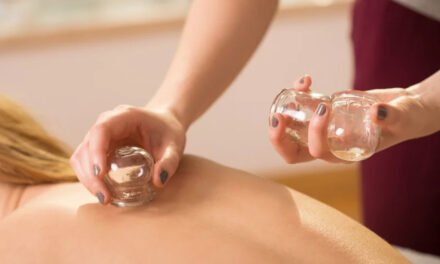
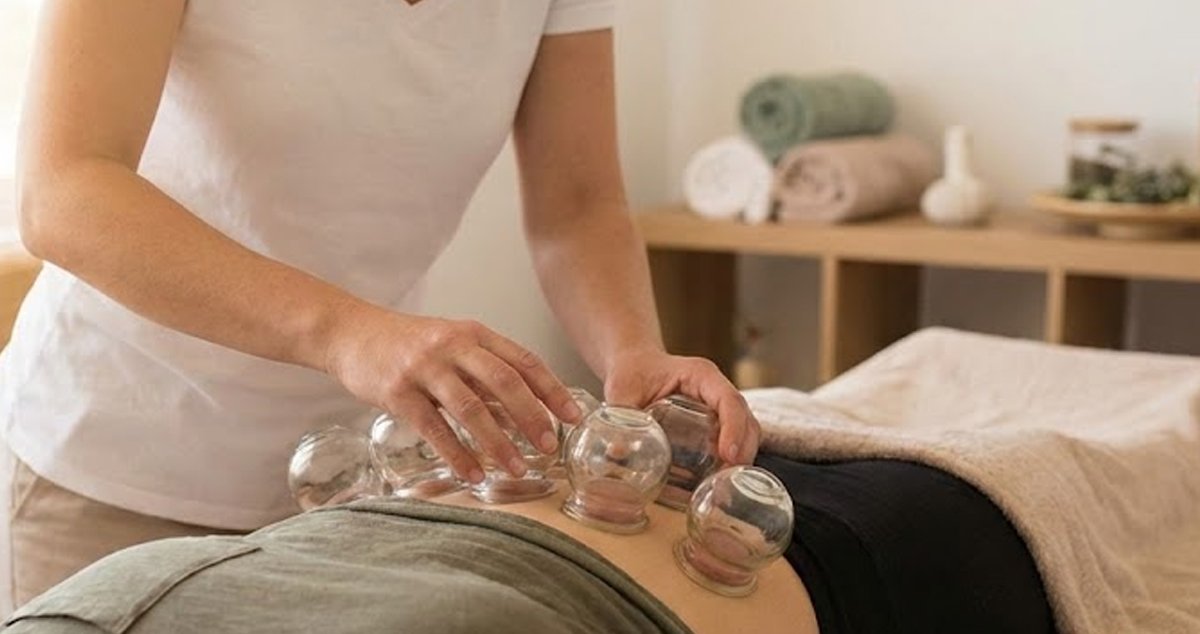
The process involves placing cups, usually made of glass or silicone, on the skin of your abdomen. A vacuum is created inside the cup, either by heating the air within it (fire cupping) or by using a pump. This suction gently pulls the skin and superficial muscle layers upwards into the cup. The cups are then either left in place for a few minutes or moved across the skin (gliding cupping) with the aid of an oil.
Now, you might be thinking, “That sounds a bit intense for my belly.” And yes, it can feel unusual at first. But the sensation is typically a gentle pulling or stretching, not pain. The aim isn’t to create deep bruises, although mild marks can occur. The goal is therapeutic stimulation.
How Abdominal Therapy Can Ease Constipation
This is where it gets interesting. Digestive cupping works on several fronts to address constipation:
-
Stimulates Peristalsis: Peristalsis is the wave-like muscle contractions that move food and waste through your digestive tract. When these contractions are weak or irregular, things slow down, leading to constipation. The suction from the cups can act as a gentle massage, stimulating these muscles to contract more effectively and encouraging the natural movement of waste. Think of it as a wake-up call for your sleepy intestines.
-
Increases Blood Flow: Improved circulation to the abdominal organs is crucial for their optimal function. The suction draws blood to the treated area, bringing fresh oxygen and nutrients to the digestive organs and helping to remove metabolic waste. Better blood flow means healthier, more efficient organs.
-
Releases Adhesions and Scar Tissue: Sometimes, internal adhesions or scar tissue from past surgeries, inflammation, or injuries can restrict the movement of organs and tissues within the abdomen. The gentle lifting action of the cups can help to break down or loosen these adhesions, allowing for freer movement and better function of the intestines.
-
Reduces Stress and Tension: Your gut is intimately connected to your nervous system. Stress and anxiety can significantly impact digestion, often leading to a “tight” or “knotty” feeling in the abdomen, which exacerbates constipation. The gentle, rhythmic pulling of cupping can be incredibly relaxing, stimulating the parasympathetic nervous system (the “rest and digest” system) and releasing muscular tension in the abdominal wall. A relaxed gut is a happier, more functional gut.
-
Detoxification: While the term “detox” is often misused, what cupping does is encourage the lymphatic system to work more efficiently. The lymphatic system is responsible for removing waste and toxins from your tissues. By improving circulation and stimulating the lymphatic flow in the abdominal region, cupping can aid in the body’s natural waste elimination processes.
What to Expect During a Digestive Cupping Session
If you decide to try digestive cupping for constipation, here’s a rough idea of what a session might look like:
-
Consultation: A qualified practitioner will first take a detailed history, asking about your digestive issues, lifestyle, and overall health. They need to understand the root causes of your constipation and ensure cupping is appropriate for you.
-
Preparation: You’ll typically lie comfortably on your back. The practitioner will usually apply a massage oil or lotion to your abdomen to allow for easier movement of the cups, especially if gliding cupping is part of the treatment.
-
Application of Cups: The practitioner will place several cups on specific areas of your abdomen, often following the path of the large intestine or targeting areas of tension. They will create the suction, and you’ll feel a gentle pulling sensation.
-
Treatment: The cups may be left in place for 5-15 minutes, or the practitioner might glide them across your skin. The duration and technique depend on your specific needs and the practitioner’s approach.
-
Post-Treatment: After the cups are removed, you might have some temporary red marks or circular bruises. These are generally harmless and typically fade within a few days. You might feel a sense of warmth, relaxation, or even some gurgling in your abdomen as your digestive system starts to react.
Important Considerations and When to See a Professional
While digestive cupping can be a fantastic tool, it’s not a magic bullet, and it’s not for everyone.
-
Choose a Qualified Practitioner: This is non-negotiable. Abdominal cupping requires a deep understanding of anatomy and digestive physiology. Do your homework and find someone experienced and certified.
-
Not for Certain Conditions: If you have certain medical conditions like bleeding disorders, severe skin conditions on the abdomen, abdominal hernias, or are pregnant, cupping might be contraindicated. Always discuss your full medical history with your practitioner.
-
Holistic Approach: Cupping is most effective when combined with other healthy habits. Don’t expect cupping to fix chronic constipation if you’re still living on fast food and never drinking water. It’s part of a larger wellness strategy that should include:
-
Dietary Changes: Increase fiber intake (fruits, vegetables, whole grains).
-
Hydration: Drink plenty of water throughout the day.
-
Movement: Regular physical activity helps stimulate bowel movements.
-
Stress Management: Techniques like meditation, yoga, or deep breathing can make a big difference.
-
Enhancing Your Digestive Health Beyond Cupping
Think of digestive cupping as a powerful catalyst, but you’re still the main engine. To truly tackle constipation and support your gut health, you need to commit to ongoing self-care.
One area often overlooked is the quality of what we put into and onto our bodies. For instance, topical applications can play a role in overall well-being. Have you considered natural oils for other health aspects? For example, products like Nature’s Crown Hair Oil focus on natural ingredients for hair health. While this isn’t directly related to digestion, it highlights a broader principle: natural support for various bodily functions. It’s about nourishing your body holistically, from the inside out and the outside in.
Beyond specific treatments, here are some actionable tips for long-term digestive wellness:
-
Mindful Eating: Slow down when you eat. Chew your food thoroughly. This is the first step in digestion and often rushed.
-
Probiotics and Prebiotics: Incorporate fermented foods (kimchi, sauerkraut, yogurt) or supplements to support a healthy gut microbiome. Prebiotic foods (garlic, onions, bananas) feed the good bacteria.
-
Listen to Your Body: Don’t ignore the urge to go. Holding it in only makes constipation worse.
-
Establish a Routine: Your body thrives on routine. Try to have bowel movements at a similar time each day.
Frequently Asked Questions about Digestive Cupping: How Abdominal Therapy Can Ease Constipation
Q1: Does digestive cupping hurt? A: Most people describe the sensation as a strong pulling or stretching, not pain. If you experience discomfort, tell your practitioner immediately so they can adjust the suction.
Q2: How many sessions will I need? A: This varies greatly depending on the severity and chronicity of your constipation. Some people experience relief after just one session, while others may need a series of treatments. Your practitioner will discuss a treatment plan with you.
Q3: Can I do digestive cupping at home? A: While silicone cups are available for home use, it’s strongly recommended to have your first few sessions with a qualified practitioner. They can assess your specific needs, teach you proper technique, and ensure safety. Incorrect application can be ineffective or potentially harmful.
Q4: Will I have marks on my abdomen? A: Yes, it’s common to have circular red marks or light bruising where the cups were placed. These are typically not painful and usually fade within a few days to a week. The color can indicate the degree of stagnation in the area – darker marks suggest more stagnation.
Q5: Is digestive cupping suitable for IBS with constipation? A: It can be, but it’s crucial to work with a practitioner experienced in treating IBS. They can tailor the treatment to your specific symptoms and sensitivities. Always consult your doctor before starting any new therapy for IBS.
The Bottom Line
Constipation is a common but often debilitating issue. While there are many conventional remedies, exploring alternative therapies like digestive cupping offers a promising, holistic approach. By stimulating peristalsis, increasing blood flow, releasing tension, and supporting the body’s natural processes, abdominal cupping can play a significant role in easing constipation and promoting overall gut health.
Remember, the goal isn’t just to alleviate symptoms but to create a thriving internal environment. Pair digestive cupping with a fiber-rich diet, adequate hydration, regular movement, and stress management techniques, and you’ll be well on your way to a happier, healthier gut. Don’t be afraid to explore options that treat your body as the interconnected system it is. Your gut will thank you.