
Cupping Therapy Techniques and Methods: What Actually Works?
Cupping therapy Techniques and Methods are often misunderstood as a single, monolithic practice, but the reality is much more nuanced. You have likely seen the circular marks on athletes or celebrities and assumed it is all the same treatment. It isn’t. There is a massive difference between the light suction used for facial rejuvenation and the intense extraction methods used in wet cupping. If you want results, you need to understand which specific technique applies to your physiology.
We are going to cut through the noise. This isn’t about magic or placebo effects. It is about blood flow, decompression, and mechanical stimulation. Let’s break down the actual tools and tactics practitioners use to get results.
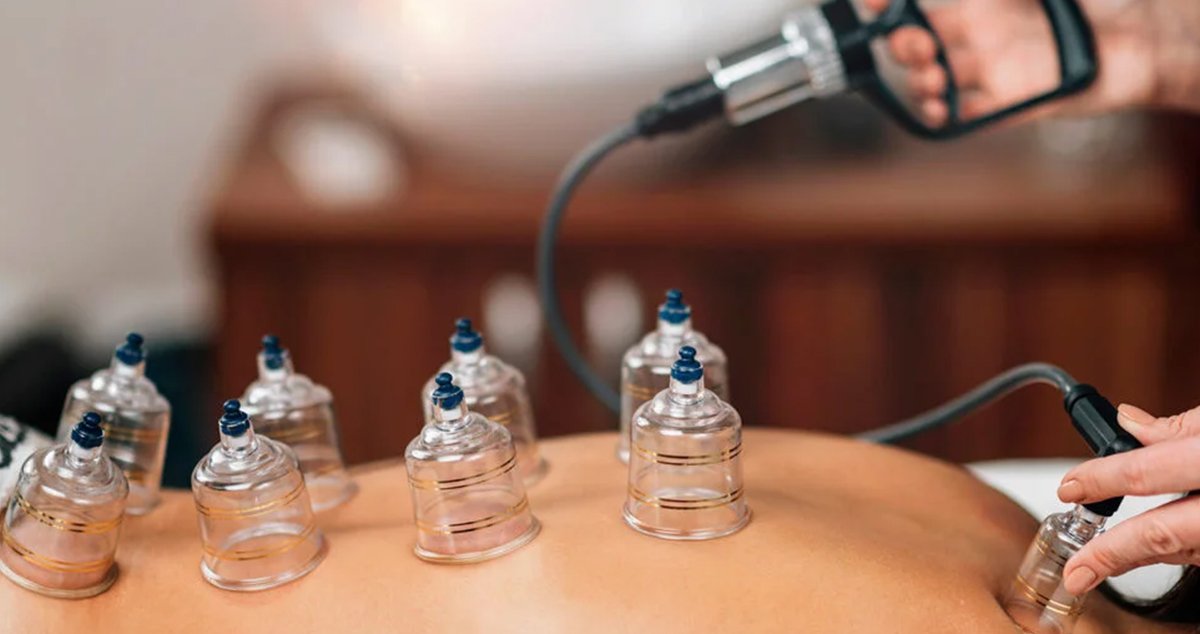
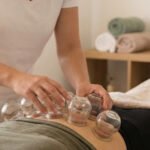
![Image: A close-up shot of glass cups applied to a patient’s back using fire cupping. Alt Text: Cupping therapy Techniques and Methods showing glass cups on a back.]
The Mechanics of Suction: How It Works
Before we look at the specific styles, you have to understand the mechanism. Most massage therapy is compressive. It pushes tissue down. Cupping is decompressive. It pulls tissue up.
This separation of tissue layers is what makes Cupping therapy Techniques and Methods unique. By creating a vacuum, you lift the skin and fascia away from the muscle. This allows fresh blood to rush into the area, flushing out stagnant fluids and metabolic waste. The technique you choose determines how deep that suction goes and what the primary goal is.
There are two main categories you need to worry about: Dry Cupping and Wet Cupping. Everything else is just a variation of these two.
Dry Cupping: The Foundation
When people talk about cupping, this is usually what they mean. Dry cupping involves placing the cup on the skin and creating suction without making any incisions. It is the safest entry point for beginners.
Stationary Cupping
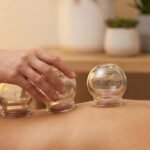
This is the most standard approach among the various Cupping therapy Techniques and Methods. A practitioner places a cup on a specific trigger point or “knot” and leaves it there for 5 to 15 minutes.
Here is the thing about stationary cupping. It is intense. Because the cup doesn’t move, the suction pulls significantly on one localized area. This is where you get those dark circular marks. It is best used for specific muscle knots that refuse to release with standard massage. If you have a stiff lower back or a frozen shoulder, stationary cupping forces the muscle to relax by physically pulling the fibers apart.
Sliding (Gliding) Cupping
If stationary cupping is the heavy artillery, sliding cupping is the infantry. It covers more ground.
The practitioner applies oil to the skin before placing the cups. This allows them to drag the suction across the muscle fibers. It feels like a reverse deep-tissue massage. Instead of pushing down, the cup pulls the muscle belly up as it glides along the back or legs.
This technique is superior for lymphatic drainage. It pushes fluid toward the lymph nodes to be processed. It is also less likely to leave those dark “pepperoni” marks because the suction isn’t staying in one spot long enough to break the capillaries.
Flash Cupping
This is an underutilized method. In flash cupping, the practitioner applies the cup, creates suction, and immediately pops it off. They repeat this rapidly over an area.
Why do this? It stimulates the nervous system without causing the heavy sedation or bruising of stationary cupping. It is excellent for waking up weak muscles or treating conditions like Bell’s Palsy where you want stimulation, not deep structural change.
Wet Cupping (Hijama): The Deep Clean
This is where things get serious. Wet cupping, often called Hijama, is one of the oldest Cupping therapy Techniques and Methods in existence. It is not for the squeamish.
The process has three steps:
-
Suction: A cup is applied for a few minutes to draw blood to the surface.
-
Incision: The cup is removed, and tiny, shallow scratches are made on the skin using a sterile blade.
-
Extraction: The cup is reapplied, and the vacuum pulls a small amount of stagnant blood out through the scratches.
Critics call this pseudoscience, but proponents argue it removes oxidants and toxins directly from the interstitial fluid. It is fundamentally different from dry cupping. Dry cupping redistributes fluid; wet cupping removes it.
If you are dealing with chronic inflammatory conditions or deep-seated stagnation, dry cupping might not be enough. However, this method requires strict hygiene protocols. You are breaking the skin barrier. Do not let an amateur do this to you in a garage.
Fire vs. Pump: The Vacuum Methods
You know the techniques, but how do they create the suction? This matters more than you think. The tool dictates the feel of the therapy.
Fire Cupping
This is the traditionalist’s choice. The practitioner takes a glass cup, lights a cotton ball soaked in alcohol on fire, inserts it briefly into the cup to burn out the oxygen, and places the cup on the skin. As the air inside cools, it contracts, creating a vacuum.
Fire cupping is warm. The heat adds a therapeutic element that plastic cups can’t match. It is soothing and helps relax the muscle before the suction even kicks in. However, the suction level is hard to control. It depends on the speed of the practitioner and the temperature of the glass.
Manual Pump Suction
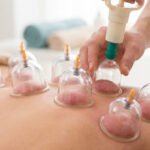
Modern Cupping therapy Techniques and Methods often utilize plastic cups with a valve at the top. A hand pump is attached to suck the air out.
While it lacks the warmth of fire cupping, it offers precision. The practitioner can count the number of pumps to ensure exact pressure. If a patient is sensitive, they can do one pump. If they need deep release, they can do four. This consistency makes it the preferred method for physical therapists and chiropractors.
Facial Cupping: Beauty Over Brawn
Not all cupping is about pain relief. Facial cupping has exploded in popularity as a natural alternative to Botox.
The cups used here are tiny and usually made of silicone. The technique is strictly “sliding.” You never leave a cup stationary on the face unless you want a bruise on your forehead.
The goal here is collagen production. By gently pulling on the skin, you create a micro-trauma that signals the body to send repair resources—collagen and elastin—to the area. It creates a plumping effect and helps drain puffiness from the sinuses.
Advanced Considerations: Combining Modalities
Smart practitioners rarely use cupping in isolation. It works best as part of a stack.
For example, many therapists will use acupuncture needles first to stimulate the nerve, then place a cup over the needle (a technique literally called “needle cupping”) to amplify the effect. Others use heat lamps or infrared therapy alongside the cups.
It is also crucial to consider what you do after the session. Your pores are open. Your skin is sensitive. You have just mobilized a lot of metabolic waste. Hydration is non-negotiable.
You also need to be careful about what you put on your skin post-therapy. Since the skin barrier is compromised or at least highly sensitized, sticking to natural products is smart. Using chemical-laden lotions right after a session is a bad idea. If you are looking for high-quality natural options to integrate into your holistic routine, check out resources like Nature’s Crown Hair Oil, which focuses on herbal ingredients. While that is specifically for hair, the principle remains: natural inputs support natural healing.
Safety and Contraindications
Let’s be brutally honest about the risks. Cupping therapy Techniques and Methods are generally safe, but they aren’t harmless.
The Marks
Those round marks are not bruises in the traditional sense. A bruise is caused by impact trauma. These marks are caused by suction drawing dead blood cells and pathogens to the surface. However, to the outside world, they look like you got into a fight with an octopus. They can last anywhere from 3 days to 3 weeks. If you have a wedding next week, do not cup your neck.
Who Should Avoid It?
If you are on blood thinners, stay away. The suction can cause internal bleeding. Pregnant women should avoid strong cupping on the lower back and abdomen. And obviously, if you have open wounds or a skin infection, putting a vacuum over it is a terrible idea.
How to Choose the Right Method for You
You have the data. Now you need a decision. Here is a quick breakdown to simplify the Cupping therapy Techniques and Methods for your specific situation.
-
For General Back Stiffness: Go with Dry Sliding Cupping. It covers the whole area and loosens up the fascia without being too aggressive.
-
For a Specific Knot: Choose Dry Stationary Cupping. Isolate the problem and treat it.
-
For Detox/Chronic Pain: Consider Wet Cupping (Hijama). Consult a specialist who is certified in this specific modality.
-
For Facial Rejuvenation: Use Silicone Facial Cups. Keep them moving constantly.
-
For Bell’s Palsy/Nerve Issues: Ask for Flash Cupping.
Frequently Asked Questions
Does cupping actually remove toxins? It depends on how you define “toxin.” It does not filter your blood like a liver. However, it does mobilize stagnant lymph and metabolic waste (like lactic acid) from the muscle tissue so your lymphatic system can flush it out.
Does it hurt? It shouldn’t be painful, but it is uncomfortable. It feels like a very tight pinch. If it hurts sharply, the suction is too strong. Speak up. This isn’t a torture test.
Can I do it myself? You can buy silicone cups for home use, which are great for legs and arms. But for your back? No. You cannot reach the angles properly, and you risk leaving the cups on too long.
Final Thoughts
The efficacy of Cupping therapy Techniques and Methods comes down to application. It isn’t a miracle cure that fixes a bad diet or a sedentary lifestyle. It is a tool for mechanical decompression.
When you stop viewing it as mystical and start viewing it as a physiological intervention, you get better results. Whether you choose the heat of fire cupping or the precision of a pump, the goal is the same: fix the flow, reduce the restriction, and let the body heal itself.
Don’t overcomplicate it. assess your pain, choose the method that targets that tissue depth, and ensure you are working with a practitioner who knows the difference between healing and just leaving a mark.




Your blog post did an excellent job of breaking down the various methods of cupping therapy. I especially appreciated the section on fire cupping—it’s a technique I’ve always been curious about but never fully understood until now. Keep up the great work!
Cupping therapy offers a fascinating approach to addressing various health concerns through different techniques. The detailed explanation of methods like dry cupping, wet cupping, and fire cupping provides valuable insight into their unique benefits. It’s impressive how practitioners tailor each treatment to meet individual needs, ensuring a personalized experience. I found the section on massage cupping particularly intriguing, as it combines suction with deep-tissue relief. How does one determine which cupping method is most suitable for their specific condition?
Cupping therapy is truly fascinating with its diverse methods tailored to individual needs. The explanation of dry cupping and its benefits for blood circulation was very informative. Fire cupping seems intense but effective for deep tissue relief, and I’m curious to try it myself. Wet cupping, particularly Hijama, sounds like a powerful detoxification method. How do practitioners decide which technique is best suited for a specific client?
This article provides a comprehensive overview of cupping therapy, highlighting its different techniques and their specific benefits. The explanation of fire cupping was particularly enlightening, as it clarified how heat is used to create suction for deep tissue relief. It’s impressive how practitioners can tailor treatments to individual needs, ensuring personalized care. How effective is cupping therapy for chronic pain compared to other alternative treatments?