Cupping Therapy for Sciatica: A Gentle, Holistic Approach to Pain Relief
Cupping therapy is an ancient healing practice that dates back thousands of years, with origins in Traditional Chinese Medicine (TCM), Egyptian, and Middle Eastern cultures. This therapy involves placing cups on specific areas of the body to create suction. The vacuum effect creates a negative pressure environment that encourages circulation, relieves muscle tightness, and supports the body’s innate ability to heal itself.
The practice has evolved over time and is now popular across the globe, especially for treating chronic pain. Sciatica, which causes sharp, radiating pain typically down one leg along the path of the sciatic nerve, can be a debilitating condition for those who experience it.—cupping therapy offers a natural, drug-free approach to pain management.
How Cupping Therapy Targets Sciatica
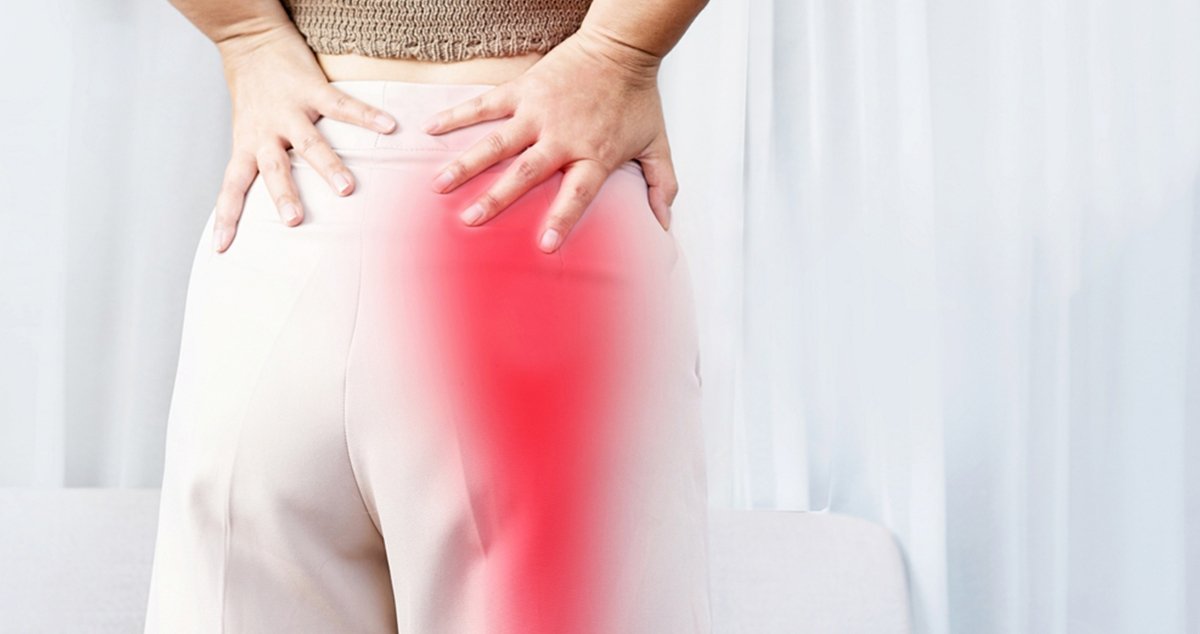
Sciatica often results from a compressed or irritated sciatic nerve, which originates in the lower back and extends down the legs. This pain often originates from a herniated disc, spinal stenosis, or tension in the piriformis muscle. Cupping therapy works by:
Improving circulation: The suction pulls blood to the surface, delivering oxygen and nutrients to inflamed or damaged tissues.
Releasing muscle tension: Tight muscles in the lower back or glutes that press against the sciatic nerve can be relaxed through cupping.
Promoting lymphatic drainage: This helps remove toxins and reduce swelling around the nerve.
Benefits of Cupping Therapy for Sciatica
1. Improved Blood Flow and Oxygenation
A primary way cupping therapy is believed to work is by boosting local blood flow to the treated regions. This improved blood flow carries oxygen and nutrients to tissues, speeding up the recovery process and reducing inflammation.
2. Effective Pain Relief
Alleviating pain is the primary goal for most individuals with sciatica. Cupping addresses this by decompressing the sciatic nerve. The suction loosens the muscles and fascia—a type of connective tissue whose constriction often intensifies nerve pain.
3. Reduction in Inflammation
Inflammation around the sciatic nerve is a common cause of pain and discomfort. Cupping therapy helps flush out stagnant blood and excess fluid that contribute to inflammation, creating a calming effect on the body.
4. Muscle Relaxation and Improved Range of Motion
The pain and rigidity associated with sciatica frequently lead to a reduced range of motion. By relaxing the muscles around the lower back, glutes, and legs, cupping therapy can enhance flexibility and allow you to move more freely without discomfort.
5. **Holistic Stress Relief**
Chronic pain from sciatica can lead to stress and tension throughout the body. The treatment can soothe the nervous system, which fosters a state of relaxation and
diminishes stress.
How Is Cupping Therapy for Sciatica Performed?
Cupping therapy for sciatica is a precise process that targets specific trigger points along the lower back, glutes, and legs. The goal is to address areas of tension and inflammation that may be compressing the sciatic nerve.
Types of Cupping Therapy Used for Sciatica
1. Dry Cupping
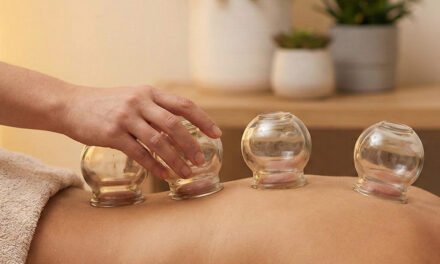
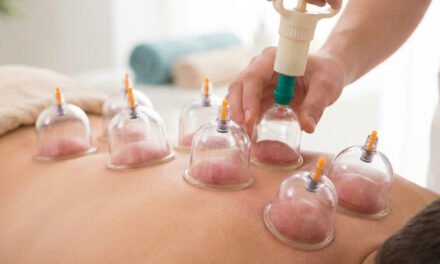
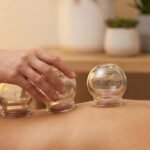
In the most common application, a therapist places cups—often made from glass, silicone, or plastic directly onto the skin. A vacuum seal is then formed inside them either by heating the air or using a hand-operated pump. Dry cupping stimulates circulation and relaxes tense muscles.
2.Wet Cupping
Wet cupping involves making small, controlled incisions on the skin before applying suction. This process is believed to help draw out old, trapped blood and metabolic waste products. While it’s less commonly used than dry cupping, wet cupping can be beneficial for those with severe inflammation.
3. Dynamic Cupping
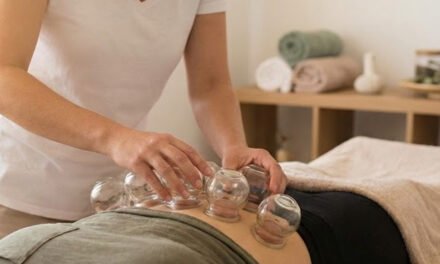
For this approach, a practitioner first applies lubricant to the skin before sliding the cups across the muscle tissue. especially effective for larger areas of muscle tension, such as the lower back and thighs.
What to Expect During a Session
A typical cupping session lasts 20–30 minutes. A trained therapist will position the cups on specific points, such as the lower back or legs, and tailor the suction level to your comfort and needs. You may feel a pulling sensation, but it’s generally not painful. After the session, temporary bruising or “cupping marks” may appear, which are a normal part of the healing process and usually fade within a week.
Scientific Evidence Supporting Cupping Therapy for Sciatica
Although its roots are ancient, contemporary scientific studies are now providing evidence to support the therapeutic value of cupping. Here are some key findings:
A 2018 study published in the *Journal of Pain Research found that cupping therapy providedsignificant relief for individuals suffering from chronic lower back pain, a primary symptom of sciatica. Participants reported reduced pain intensity and improved mobility.
Research in *Complementary Therapies in Clinical Practice* (2016) highlighted how cupping therapyreduced pain and improved function in patients with musculoskeletal conditions, including sciatica.
A systematic review in *PLOS ONE* (2019) concluded that cupping therapy is effective for pain management, particularly for conditions involving chronic inflammation.
Though more large-scale studies are needed, these findings support the use of cupping therapy as a complementary treatment for sciatica.
Guidelines for Integrating Cupping into Sciatica Management
1. Find a Certified Practitioner
It is essential to only receive treatment from a qualified and certified practitioner. They can ensure the therapy is performed safely and effectively, especially for a condition as complex as sciatica.
2. Combine with Other Treatments
For optimal results, cupping should be incorporated into a broader treatment plan that may include physical therapy, yoga, acupuncture, or chiropractic adjustments. A holistic approach can address the root causes of sciatica more effectively.
3. Start with Light Suction
If you’re new to cupping, start with lighter suction to let your body adjust. Over time, your practitioner can gradually increase the intensity based on your comfort level.
4. **Stay Consistent**
Consistency is key to seeing long-term results. Many practitioners recommend weekly sessions for the first month, followed by bi-weekly or monthly maintenance treatments.
5. Hydrate and Rest**
Staying well-hydrated after a treatment is recommended to aid the body in processing and eliminating the released waste materials. It is recommended to rest and refrain from intense physical exertion for a day following the session to facilitate complete recovery.
Comparing Cupping Therapy to Other Sciatica Treatments
Cupping Therapy vs. Physical Therapy
Physical therapy focuses on strengthening the muscles and improving posture to alleviate sciatic pain. While physical therapy addresses the root cause of the issue, cupping therapy complements it by relieving immediate pain and inflammation, making exercises easier to perform.
Cupping Therapy vs. Pain Medication
Unlike pain medication, which only masks symptoms, cupping therapy tackles the underlying issues, such as muscle tension and poor circulation. Additionally, it is a drug-free treatment with minimal side effects.
Cupping Therapy vs. Acupuncture
Both acupuncture and cupping therapy are rooted in Traditional Chinese Medicine and aim to restore balance to the body. While acupuncture uses needles to stimulate specific points, cupping therapy uses suction. These treatments can be used together for enhanced results.
FAQs About Cupping Therapy for Sciatica
Is Cupping Therapy Painful?
No, cupping therapy is generally not painful. You may feel a pulling or tight sensation during the treatment, but it is usually relaxing. Temporary bruising is normal and harmless.
How Often Should I Get Cupping Therapy for Sciatica?
The frequency depends on the severity of your symptoms. For acute pain, weekly sessions may be recommended. Once your symptoms improve, maintenance sessions every 2–4 weeks can help prevent flare-ups.
Can I Do Cupping Therapy at Home?
While there are DIY cupping kits available, it’s best to seek professional treatment, especially for sciatica. A trained practitioner can target the correct areas and adjust the suction to avoid injury.
Cupping therapy for sciatica offers a safe, natural, and effective way to manage pain, reduce inflammation, and restore mobility. Don’t let sciatica control your life—take the first step toward relief by consulting a certified cupping practitioner today.