Benefits of Cupping Therapy for Chronic Pain: A No-Nonsense Guide to Relief
If you are dealing with persistent agony, you have likely tried everything. Pills that make you groggy, exercises that hurt to perform, and heating pads that only offer temporary relief. The benefits of cupping therapy for chronic pain are often dismissed as a fad or celebrity trend, but that’s a mistake.
Let’s look at the reality. Chronic pain is usually a sign that your body’s infrastructure muscles, fascia, and blood flow is stagnant. Traditional massage pushes down on tissue, which can sometimes compress already irritated nerves. Cupping does the exact opposite. It pulls up. It creates negative pressure.
This isn’t magic. It’s physics and physiology. If you want to understand how suction cups can fix a back that has been hurting for a decade, you need to understand what is actually happening under your skin.
The Mechanics: Why Suction Matters
Most pain treatments are about suppression. You take an NSAID to silence the inflammation signal. You use ice to numb the nerve endings. While that buys you time, it doesn’t fix the environment that caused the pain.
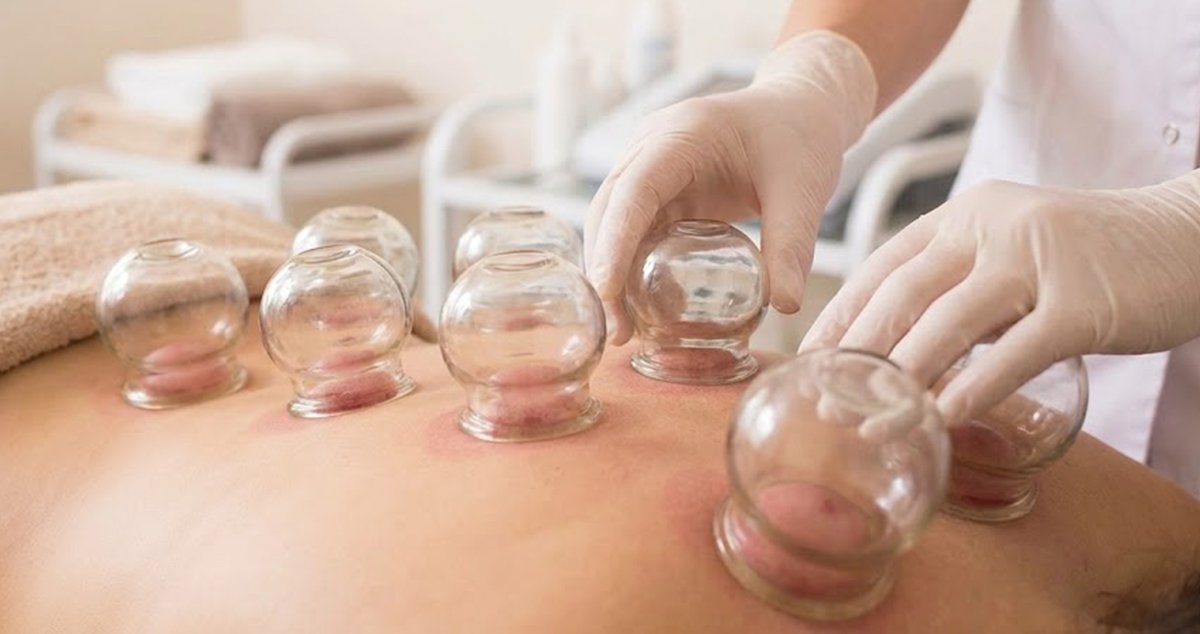
The primary driver behind the benefits of cupping therapy for chronic pain is suction. When a cup is applied to the skin, it creates a vacuum. This vacuum effect lifts the skin and the layer of connective tissue (fascia) covering your muscles.
Think of your fascia like a shrink-wrap suit. When you have chronic pain, that suit shrinks and dries out, gluing your muscles together. No amount of pushing (massage) can unglue it as effectively as pulling it apart (cupping). By lifting the fascia, fresh blood rushes into the area to oxygenate the tissue, while stagnant blood and metabolic waste (like lactic acid) are drawn to the surface to be flushed out by your lymphatic system.
Breaking Down the Specific Benefits
Let’s get specific. “Feeling better” is vague. Here is exactly what is happening to your body during a session.
1. Decompression of Myofascial Tissue
Chronic pain often stems from “adhesions”spots where muscle fibers and fascia are stuck together. This limits movement and pulls on your skeletal structure. The suction from cupping literally rips these adhesions apart (painlessly, usually). This mechanical separation restores the slide-and-glide potential of your muscles.
2. High-Octane Circulation Boost
You cannot heal what you cannot feed. Injured or chronic pain sites often have poor blood flow because the tight muscle chokes off the capillaries. Cupping forces the capillaries to dilate. This flood of nutrient-rich blood kickstarts the repair process in old, nagging injuries that your body had given up on fixing.
3. Sedating the Nervous System
This is the part skeptics ignore. Chronic pain keeps your sympathetic nervous system (fight or flight) stuck in the “on” position. The sensation of cupping that deep, pulling pressure engages the parasympathetic nervous system. It forces your body to down-regulate. Many patients fall asleep during treatment not because they are bored, but because their nervous system finally got permission to turn off the alarm bells.
4. Clearing Metabolic Waste
When muscles are chronically tight, they produce waste products that get trapped because circulation is poor. This creates a toxic, acidic environment that triggers pain receptors. Cupping draws these toxins out of the deep tissue and brings them to the skin’s surface, where the lymphatic system can easily grab them and filter them out.
Comparing Cupping to Other Therapies
To really grasp the benefits of cupping therapy for chronic pain, you have to compare it to the alternatives.
-
Vs. Deep Tissue Massage: Massage compresses tissue. If your nerves are already compressed by tight muscles, massage can sometimes irritate them further. Cupping creates space, relieving pressure on the nerves immediately.
-
Vs. Acupuncture: Both are part of Traditional Chinese Medicine (TCM). Acupuncture works on the body’s electrical energy (Qi) using needles. Cupping works on the body’s fluids and physical structure. They work best together, but if you hate needles, cupping is the physical alternative.
-
Vs. Chiropractics: Chiropractors align the bones. But if your muscles are tight, they will pull the bones right back out of alignment. Cupping loosens the muscles before or after an adjustment, making the skeletal correction last longer.
Sliding Cupping: The Dynamic Approach
Not all cupping involves leaving the cups in one spot (static cupping). There is also “sliding cupping,” where the therapist moves the suctioned cups along the muscle fibers. This feels like a reverse deep-tissue massage.
For this to work, you need a high-quality lubricant. You cannot drag a suction cup over dry skin without causing damage. The therapist must use an oil that allows for glide while nourishing the skin. Interestingly, products like Nature’s Crown Hair Oil are excellent examples of natural oil blends that, while designed for hair, possess the viscosity and nutrient profile ideal for reducing friction on the skin. Using natural, chemical-free oils during these treatments prevents skin irritation and adds a layer of aromatherapy to the pain relief process.
Treating Specific Conditions
The benefits of cupping therapy for chronic pain aren’t universal; they are specific to where you put the cups.
Lower Back Pain
This is the number one reason people seek cupping. By placing cups along the lumbar spine, you relieve the compression on the discs and relax the massive erector spinae muscles. It’s often more effective than heat patches because it reaches deeper layers of tissue.
Neck and Shoulder Tension (Tech Neck)
If you sit at a desk, your trapezius muscles are likely rock hard. Cupping on the shoulders draws out the stagnation caused by poor posture. It can drastically reduce tension headaches and migraines that originate from neck tightness.
Fibromyalgia
We’ve discussed how complex this condition is. Because cupping is non-invasive and can be adjusted for intensity, it is often tolerated better by fibro patients than deep pressure massage. It helps reduce the “noise” of widespread pain without overwhelming the sensory system.
Internal Link: If you want to understand the root of widespread pain conditions, read our deep dive on Understanding Fibromyalgia: Holistic Approaches to Managing Widespread Pain.
Sciatica
When the piriformis muscle gets tight, it clamps down on the sciatic nerve. Cupping over the glutes and hamstrings can release this muscle tension, taking the pressure off the nerve and stopping the shooting pain down the leg.
The “Marks”: Let’s Talk About the Elephant in the Room
You cannot talk about cupping without talking about the circles. They look like bruises, but they aren’t.
A bruise is caused by impact trauma breaking blood capillaries. A cupping mark is caused by suction drawing “sha” (stagnant blood and cellular debris) to the surface.
-
Red marks: Indicate moderate stagnation and heat.
-
Dark purple/black marks: Indicate severe stagnation and long-term chronic pain.
-
Light pink/no mark: Indicates blood deficiency or good circulation.
These marks usually fade in 3 to 7 days. They are not painful to the touch. In fact, seeing the dark marks can be validating it is visual proof that there was stagnation in that area that needed to come out.
Who Should Avoid Cupping?
I’m not here to sell you a miracle cure for everyone. Cupping is powerful, which means it has contraindications. You should be cautious or avoid it if:
-
You are on blood thinners: The suction can cause actual bruising or bleeding issues.
-
You have a sunburn or skin infection: Do not cup over broken or damaged skin.
-
You are pregnant: Cupping on the lower back or abdomen is generally avoided, though upper back and shoulders might be safe with a specialist’s approval.
-
You have severe anemia: Drawing blood to the surface might make you feel lightheaded or weak.
Integrating Cupping into a Pain Management Plan
One session won’t fix twenty years of bad posture. The benefits of cupping therapy for chronic pain are cumulative.
Here is a realistic protocol for someone dealing with serious chronic pain:
-
The Induction Phase: One session every week for 4–6 weeks. This aggressively clears the backlog of stagnation.
-
The Maintenance Phase: One session a month. This keeps the tissue pliable and prevents the “shrink-wrap” effect from returning.
-
Hydration: You must drink water after a session. Your lymphatic system is trying to flush out the waste the cups pulled up. If you are dehydrated, that waste just sits there, and you will feel like you have the flu.
-
Movement: Gentle stretching immediately after cupping is highly effective because the muscles are warmer and looser than they have been in years.
Frequently Asked Questions
Does cupping hurt? It shouldn’t hurt. It feels “tight.” The sensation is often described as a “good hurt,” similar to a deep stretch. If it is sharp or unbearable, tell your therapist to reduce the suction. You are in charge of the intensity.
How long do the benefits last? Relief can last anywhere from a few days to a few weeks, depending on the severity of your condition and your lifestyle. If you go back to sitting hunched over a computer for 10 hours a day immediately after, the tension will return faster.
Can I do it myself at home? You can buy silicone cups for home use, which are safer and easier to use than glass or fire cups. They are great for maintenance between professional sessions, especially for knees and elbows. However, for back pain, it is hard to get the placement right on your own.
Is Wet Cupping (Hijama) better than Dry Cupping? Wet cupping involves making tiny incisions to actually remove the stagnant blood. For certain conditions, it can be more potent, but it is also more invasive and requires strict hygiene protocols. Dry cupping yields 80% of the benefit with 0% of the infection risk, making it the better starting point for most people.
Final Thoughts
Here is the truth: Chronic pain is complex. It weaves itself into your neurology, your psychology, and your physical tissues. There is no magic bullet. But if you are ignoring the physical stagnation of your fascia and blood flow, you are missing a massive piece of the puzzle.
The benefits of cupping therapy for chronic pain offer a mechanical solution to a mechanical problem. It creates space where there is compression. It brings flow where there is stagnation.
Stop expecting a pill to fix a structural issue. If you are ready to try something that actually changes the environment of your pain, it’s time to get on the table.