Cupping Therapy for Skin Health: A Natural Glow
Cupping Therapy for Skin Health: A Natural Glow isn’t just some new-age Instagram trend; it is a legitimate physiological hack for better circulation. If you have been chasing expensive serums and high-tech gadgets hoping for a miracle, stop. The reality is that your skin doesn’t need more chemicals; it needs blood flow. It needs oxygen. It needs the waste flushed out of your lymphatic system so it can actually function.
That is where cupping comes in.
We aren’t talking about the intense, bruise-inducing suction used on athletes’ backs. Facial cupping is different. It is gentle, rhythmic, and strategic. It wakes up your face by physically manipulating the tissue to increase circulation and stimulate collagen production. If you want results that don’t wash off at the end of the day, you need to understand the mechanics of Cupping Therapy for Skin Health: A Natural Glow.
The Mechanics: Why It Actually Works
Let’s cut through the marketing noise. Your skin is an organ. Like any other organ, it relies on a steady supply of nutrients delivered by blood. When you have poor circulation, your skin looks dull, gray, and tired. When your lymphatic system is sluggish, you get puffy.
Facial cupping uses suction to lift the skin and muscle. This separation creates space for fresh blood to rush in, carrying oxygen and nutrients to the cells. At the same time, the gliding motion of the cup pushes stagnant lymph fluid—the stuff that makes you look swollen—toward your lymph nodes to be drained away.
This isn’t magic; it’s biology. By manually stimulating the skin, you trigger a mild healing response. The body says, “Hey, something is happening here,” and sends in the repair crew (collagen and elastin). Over time, this results in firmer, tighter skin. This is the core principle behind Cupping Therapy for Skin Health: A Natural Glow.
Facial Cupping vs. Body Cupping: Don’t Confuse Them
Here is the thing most people get wrong. They see the purple circles on Olympic swimmers and assume facial cupping will leave them looking like they got into a bar fight.
It won’t, unless you do it wrong.
-
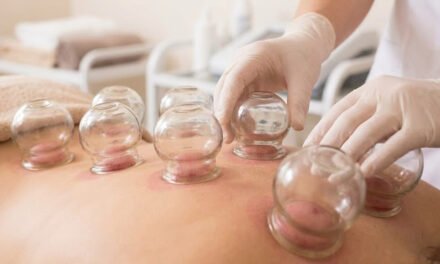
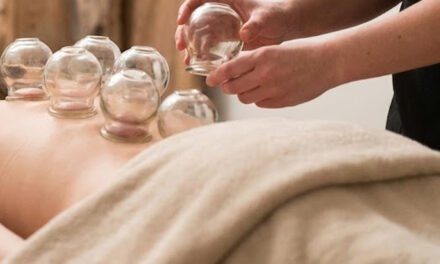
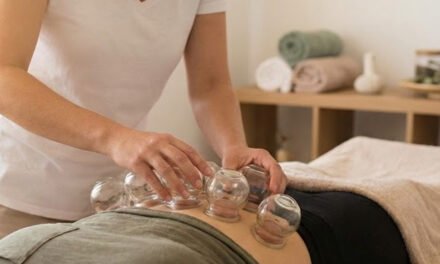
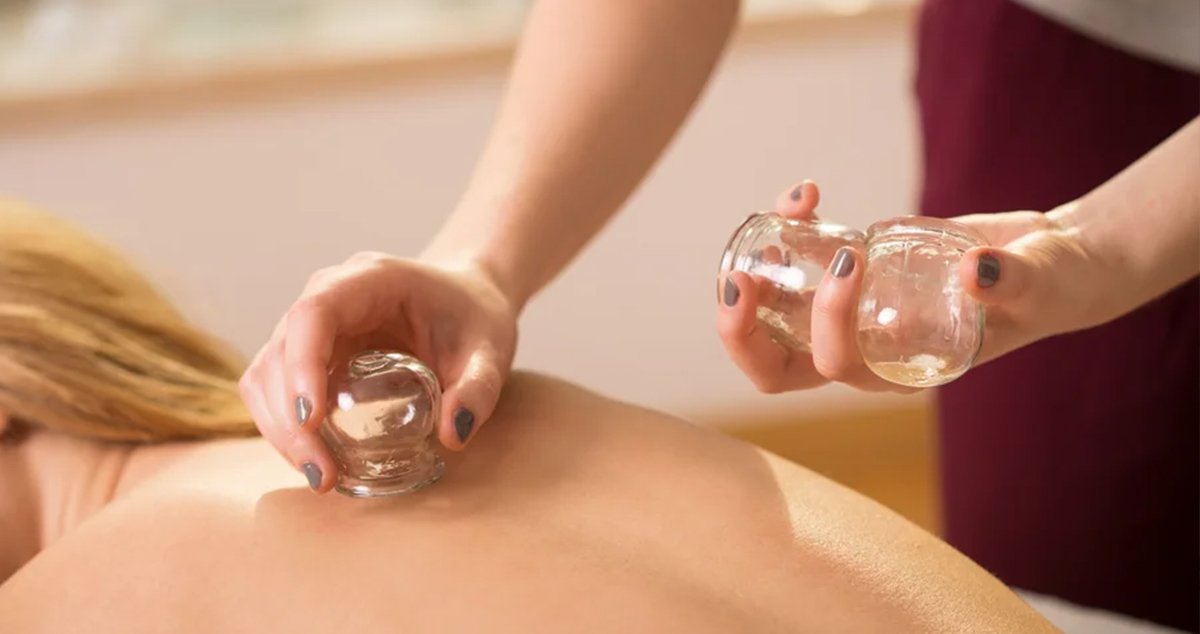
Body Cupping: Uses static suction. The cups sit in one place to draw out deep stagnation from muscles. This causes “ecchymosis” (the purple marks).
-
Facial Cupping: Uses dynamic suction. The cups are constantly moving. You never leave a cup stationary on your face for more than a second.
Because the cups are always gliding, you don’t get the bruises. You get a flush of pink, which is exactly what you want. That pinkness is evidence of blood flow. It’s the immediate visual proof of Cupping Therapy for Skin Health: A Natural Glow.
![Alt Text: Cupping Therapy for Skin Health: A Natural Glow showing a woman using facial cups]
The Real Benefits (No Fluff)
Let’s break down what you can actually expect. I’m not promising you’ll look 18 again, but I am promising you’ll see a difference in the quality of your skin.
1. Lymphatic Drainage and Depuffing
If you wake up looking swollen, your lymphatic system is backed up. Cupping manually pushes that fluid to the drainage points near your ears and neck. The result is an instantly sharper jawline and less puffiness around the eyes.
2. Collagen Stimulation
Collagen is the scaffolding of your skin. As you age, it breaks down. The suction from cupping creates a controlled micro-trauma (in a good way) that signals your fibroblasts to produce more collagen. It’s cheaper than laser treatments and safer than injections.
3. increased Product Absorption
You can spend $200 on a moisturizer, but if it sits on top of dead skin cells and a stagnant barrier, you’re wasting money. Cupping increases the permeability of your skin, allowing active ingredients to penetrate deeper.
4. Tension Relief
We carry a massive amount of stress in our faces—furrowed brows, clenched jaws. Cupping physically relaxes these muscles. When your facial muscles are relaxed, deep lines soften. It’s a natural alternative to freezing your face with neurotoxins.
The Protocol: How to Do It Without Wrecking Your Face
You need two things: the right tools and the right slip.
Step 1: The Prep Cleanse your face thoroughly. You don’t want to drive dirt and makeup deeper into your pores.
Step 2: The Glide You cannot—and I repeat, cannot—do this on dry skin. You will drag the skin, damage the capillaries, and cause bruising. You need an oil or a very rich lotion.
For the best results, use a product that offers a long-lasting glide without clogging pores. A great option is a high-quality moisturizer like the Rice Milk Moisturising Lotion. It provides the perfect texture to allow the cups to slide effortlessly while hydrating the skin simultaneously.
Step 3: The Technique
-
Chin and Jaw: Start at the center of your chin. Squeeze the cup, apply it to the skin, and glide it outward toward your ear. Release. Repeat 3-5 times.
-
Cheeks: Start at the nose and glide outward and upward toward the temples. This lifts the cheekbones.
-
Forehead: Start at the center of the eyebrows and glide up toward the hairline or out toward the temples. This tackles those horizontal worry lines.
-
Neck: Don’t forget the neck. Glide downward to encourage lymphatic drainage.
Step 4: The Aftercare Drink water. You’ve just moved a bunch of toxins into your lymphatic system; you need to flush them out.
Why Most People Fail at This
The problem isn’t the therapy; it’s the consistency. Cupping Therapy for Skin Health: A Natural Glow isn’t a “one and done” fix. It’s like going to the gym. If you do it once, nothing happens. If you do it three times a week for a month, you look different.
People also fail because they ignore the holistic picture. You can cup your face all day, but if your scalp is tight and your circulation is cut off at the neck, you’re fighting a losing battle. Scalp health connects directly to facial skin laxity. Incorporating a scalp massage with something like Nature’s Crown Hair Oil ensures you are treating the entire head and neck ecosystem, keeping the fascia loose and circulation flowing from the top down.
Addressing the Skeptics: Is It Safe?
If you have active acne, open wounds, or rosacea, skip the cupping over those areas. You don’t want to spread bacteria or inflame already angry skin.
For everyone else, the risks are minimal if you keep the cup moving. The “danger” usually comes from user error—leaving the cup in one spot like a vacuum cleaner and giving yourself a hickey on your forehead. Don’t be that person.
Cupping vs. Gua Sha vs. Jade Rolling
You’ve seen the tools. Are they all the same? No.
-
Jade Rollers: They feel nice and cool, but honestly? They are mostly superficial. They help with minor puffiness but don’t do much for collagen.
-
Gua Sha: Excellent for muscle tension and lymphatic drainage. It uses compression (pushing down).
-
Cupping: Unique because it uses suction (pulling up). This separation of tissue is something you cannot replicate with your hands or a stone.
For the ultimate routine, combine them. Use cupping to bring blood to the surface and stimulate, then use Gua Sha to drain and sculpt. That is the power combo for Cupping Therapy for Skin Health: A Natural Glow.
The Psychological Edge
There is a mental component here. Taking ten minutes to focus entirely on your face, your breath, and the sensation of the cup is a reset button for your nervous system. We live in a state of chronic sympathetic arousal—fight or flight. This wrecks your skin by spiking cortisol, which breaks down collagen.
Cupping forces you into a parasympathetic state—rest and digest. When you lower your stress, your skin heals faster. It’s not just about the mechanics of the suction; it’s about signaling safety to your body.
Common Mistakes to Avoid
-
Too Much Suction: You aren’t trying to suck the soul out of your face. Gentle suction is enough to stimulate lymph flow.
-
Wrong Direction: Always glide outwards and upwards (for lift) or downwards on the neck (for drainage). Never drag the skin down on the face.
-
Ignoring the Oil: I’ll say it again—use a lubricant. If the cup skips or drags, you are damaging your elastin fibers.
Detailed Breakdown of Facial Zones
To really master Cupping Therapy for Skin Health: A Natural Glow, you need to treat the face as a map of interconnected muscles.
The Forehead (The Stress Zone)
The frontalis muscle covers your forehead. It carries tension from eye strain and stress. Vertical lines (the “11s”) between your brows are often caused by the corrugator muscles. Cupping here helps release the fascia that glues these wrinkles in place.
The Eyes (The Fatigue Zone)
The skin here is thin. Use the smallest cup available. Do not glide under the eye if you are inexperienced. Instead, use a “squeeze and release” method (suction, hold for a split second, release) to pump out fluid without dragging delicate skin.
The Jaw (The Tension Zone)
The masseter muscle is one of the strongest in the body. We clench it constantly. Cupping along the jawline breaks up the density in this muscle, which can actually soften the look of a square jaw caused by muscle hypertrophy.
Integrating Cupping into Your Routine
You don’t need to overhaul your life. Here is a realistic schedule:
-
Morning: 2 minutes of rapid, light cupping to depuff the eyes and wake up the skin.
-
Evening: 5-10 minutes of slower, deeper cupping to relax muscles and prepare the skin for night creams.
Do this 2-3 times a week. Watch how your skin responds. If it looks irritated, back off. If it looks radiant, keep going.
The Verdict
The beauty industry thrives on insecurity. They want you to believe you are broken so they can sell you a fix. I’m telling you that your body is capable of repairing itself if you give it the right environment.
Cupping Therapy for Skin Health: A Natural Glow is about facilitating that environment. It’s about using physics—suction and flow—to optimize your biology. It is a low-cost, high-reward practice that puts the control back in your hands.
Frequently Asked Questions
Q: Will facial cupping stretch my skin? No, not if you do it right. The stimulation actually strengthens the elastin fibers. However, if you drag the cup on dry skin or pull aggressively downward, you can cause damage. Technique is everything.
Q: How often should I do it? Start with 2 times a week. You can work up to 3-4 times, but give your skin rest days.
Q: Can I use body cups on my face? Absolutely not. The suction is too strong, and the rims are too wide. You will bruise immediately. Invest in a proper facial cupping set.
Q: Does it hurt? It should feel like a deep massage, not pain. If it hurts, release some suction.
Q: How long until I see results? You will see a “glow” and reduced puffiness immediately after the first session. Changes in fine lines and firmness usually take about 3-4 weeks of consistent practice.
Final Thoughts
Stop looking for shortcuts. Real skin health is a long game. It’s about circulation, lymphatic drainage, and consistency. Cupping Therapy for Skin Health: A Natural Glow is one of the few tools that actually addresses the root cause of dull, aging skin rather than just painting over it.
Grab some oil, get a cup, and get the blood flowing. Your skin will thank you.