
Safety and Precautions in Cupping Therapy
usually get buried under endless paragraphs about how “magical” the treatment is. Let’s be real for a second. Cupping is powerful. It moves blood, relieves stagnation, and can fix issues that standard medication barely touches. But it involves suction, and in the case of wet cupping (Hijama), it involves incisions. If you treat this casually, things can go wrong fast.
We aren’t here to scare you off the table. We are here to make sure you walk away feeling better, not worse. Whether you are a practitioner or a patient, understanding the risks is just as important as understanding the benefits. You wouldn’t let a mechanic work on your brakes without knowing they are qualified, so don’t let anyone work on your body without understanding the safety protocols.
Here is the thing: most adverse effects from cupping happen because someone ignored the basics. Let’s break down exactly how to keep this therapy safe, effective, and free of unnecessary drama.
Why We Need to Talk About Safety
It is easy to assume that because something is “natural,” it is inherently safe. That is a dangerous mindset. Arsenic is natural. You still don’t want to consume it. Safety and Precautions in Cupping Therapy are necessary because you are manipulating the body’s soft tissue and circulatory system.
When you apply negative pressure (suction) to the skin, you are forcing capillaries to expand and sometimes break. That is the point—it triggers a healing response. But if that pressure is too high, left for too long, or done on a person with compromised health, you are looking at skin necrosis, blisters, or fainting. And if you are dealing with wet cupping, you introduce the risk of blood-borne infections if sterilization isn’t hospital-grade.
Who Should Absolute Avoid Cupping?
Before we even talk about the procedure, we need to talk about eligibility. Not everyone is a candidate. A good practitioner will turn you away if you fall into high-risk categories. If they don’t ask you about your medical history, stand up and leave.
You need to exercise extreme caution or avoid cupping entirely if you have:
-
Bleeding Disorders: If you have hemophilia or are on heavy blood thinners, wet cupping is off the table. You will bleed too much, and the bruising from dry cupping can be severe.
-
Skin Conditions: Never cup over eczema, psoriasis, open wounds, or inflamed skin. You are just asking for an infection.
-
Severe Anemia: Cupping draws blood to the surface (or out of the body). If you are already running on empty, this can cause dizziness or fainting.
-
Pregnancy: This is nuanced. Generally, cupping on the lower back or abdomen is strictly prohibited for pregnant women. It stimulates blood flow in a way that could theoretically trigger contractions.
-
Organ Failure: If you have renal or cardiac failure, your body cannot handle the extra fluid movement and circulatory load cupping creates.
The Difference Between Dry and Wet Cupping Risks
Safety isn’t a one-size-fits-all concept here.
Dry Cupping is generally lower risk. The main concerns are blisters, burns (if using fire cups), and bruising that lasts too long.
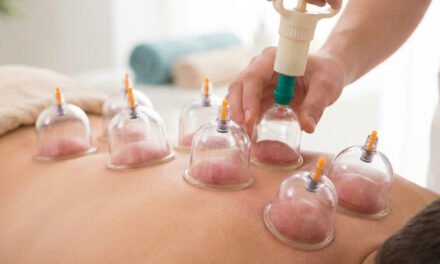
Wet Cupping (Hijama) is a minor surgical procedure. It involves scratching the skin and drawing blood. The stakes are higher here. The focus on Safety and Precautions in Cupping Therapy shifts heavily toward cross-contamination and wound care. If the equipment isn’t single-use or sterilized in an autoclave, you are risking Hepatitis or HIV. That is the cold, hard reality.
Pre-Session Safety: Preparation is Everything
You don’t just show up and hope for the best. Preparation mitigates about 50% of the risk.
Hydration and Nutrition
Don’t eat a massive meal right before your session. Digestion requires blood flow to be concentrated in your stomach. Cupping pulls that blood to your skin. The conflict causes nausea. Eat a light meal 2-3 hours beforehand. Conversely, don’t fast for 24 hours and show up with low blood sugar. You will pass out.
Hygiene Basics
Shower before you go. It sounds obvious, but you’d be surprised. The skin needs to be clean. If you are hairy, you might need to shave the area to ensure a proper seal and prevent painful hair pulling.
During the Session: What to Watch For
Once you are on the table, safety is in the hands of the practitioner, but you need to stay alert.
The Equipment Check
Watch the practitioner. Are they opening a fresh packet of cups? Good. Are they reusing plastic cups they just rinsed in the sink? Run. For wet cupping, the blades must be sterile and single-use. The practitioner must wear gloves. This is non-negotiable.
The Suction Limit
More pain does not equal more healing. If the suction is agonizing, speak up. Excessive vacuum pressure causes bullae (blisters) which are painful and prone to infection. The sensation should be a tight pull, maybe a bit of a pinch, but never sharp, searing pain.
Monitoring Reactions
A smart practitioner stays in the room. They watch your skin color. If the skin inside the cup turns pale or extremely dark purple instantly, the cup needs to come off. They should also monitor you for a “vasovagal response.” This is when your heart rate drops and you feel faint. If you feel lightheaded, tell them immediately.
Post-Therapy Care: Preventing Infection
The session ends, but the safety protocols don’t. This is where most patients mess up. Your pores are open (dry cupping) or your skin is literally scratched (wet cupping). You are vulnerable.
Immediate Aftercare
Avoid showers for at least 24 hours after wet cupping. Water, especially hot water, can irritate the wounds and introduce bacteria. For dry cupping, wait a few hours until the skin temperature normalizes.
Skin Hydration and Barrier Protection
After the initial healing period (usually 24 hours for wet cupping), the skin might feel dry, itchy, or sensitive as scabs form or bruises fade. You need to keep the area moisturized to prevent cracking and reduce itching. Scratching an itchy cupping site is a great way to introduce bacteria.
Use a high-quality, natural moisturizer. Something gentle like Rice milk moisturizing lotion is excellent here. It provides hydration without the heavy, chemical-laden fragrance that irritates healing skin. It creates a soft barrier that lets the skin breathe while keeping it supple.
Dietary Adjustments
Avoid dairy and heavy red meat for 24 hours. Your body needs to focus on repairing the tissue, not digesting a steak. Stick to veggies, soups, and plenty of water.
Head Cupping Specifics
Head cupping is fantastic for migraines and brain fog, but it requires extra precaution. The scalp is highly vascular, meaning it bleeds easily.
If you are doing wet cupping on the head, you usually have to shave the area. The risk of infection is slightly higher here because of hair follicles and sweat. Post-care is critical. You cannot just use any random shampoo the next day. Chemicals in standard shampoos will sting like crazy and could irritate the incisions.
Once the wounds have closed (usually after 2-3 days), you want to nourish the scalp to encourage hair regrowth in the shaved patch and soothe the skin. This is where a natural oil comes in. Applying a product like NATURE’S CROWN HAIR OIL can help condition the scalp and hair. It’s natural, so you aren’t dumping synthetic irritants onto sensitive skin.
Choosing the Right Practitioner
This is the single biggest variable in Safety and Precautions in Cupping Therapy. The industry is largely unregulated in many countries. Any random person can buy a kit online and call themselves a therapist.
Here is your checklist for vetting a pro:
-
Certification: Where did they learn? A weekend workshop isn’t enough. Look for formal accreditation.
-
Cleanliness: Is the clinic spotless? Does it smell like antiseptic or like old gym socks?
-
Consultation: Do they ask about your medical history? If they skip this, they are reckless.
-
Disposal: Ask them how they dispose of clinical waste (blood, cups, blades). If they don’t have a biohazard bin, they aren’t professionals.
Common Side Effects vs. Danger Signs
You need to know the difference between “healing crisis” and “medical emergency.”
Normal:
-
Circular marks: Ranging from pink to dark purple. These are not bruises in the traditional sense; they are dead blood cells coming to the surface. They should fade in 3–10 days.
-
Fatigue: You might feel like you just ran a 5k. That’s the detox effect. Sleep it off.
-
Mild itching: This is just the skin healing.
Not Normal (Get Help):
-
Pus or yellow discharge: This is an infection. You need antibiotics.
-
Fever: If you spike a fever after cupping, your body is fighting a systemic infection.
-
Uncontrolled bleeding: If a site is still oozing blood hours later, apply pressure and seek help.
FAQs About Cupping Safety
Can I do cupping on myself safely? Dry cupping? Sure, on accessible areas like your legs or arms. Wet cupping? Absolutely not. Do not cut yourself. You cannot see your own back, you cannot ensure sterilization, and if you faint, no one is there to catch you.
Does cupping hurt? It shouldn’t hurt badly. It feels like a suction or a tight pull. Wet cupping involves a scratching sensation, similar to a light cat scratch. If you are in agony, stop the session.
How often is it safe to get cupping? For dry cupping, you can do it once or twice a week. For wet cupping, your body needs to replenish blood and iron. Once a month is the standard recommendation for maintenance.
The Bottom Line
Safety and Precautions in Cupping Therapy aren’t just guidelines; they are the difference between a holistic remedy and a health hazard.
Cupping is an incredible tool. It has survived thousands of years for a reason—it works. But it demands respect. Respect for hygiene, respect for contraindications, and respect for the body’s limits.
Don’t settle for a shady clinic to save a few bucks. Don’t ignore the pre-care instructions because you’re busy. Take the precautions seriously, and the therapy will serve you well. If you ignore them, you’re just gambling with your health. Be smart, stay safe, and get the healing you actually came for.






Thank you for being of assistance to me. I really loved this article. http://www.kayswell.com
Can you write more about it? Your articles are always helpful to me. Thank you! http://www.ifashionstyles.com
You’ve been great to me. Thank you! http://www.ifashionstyles.com
Greetings! Very helpful advice in this particular article! It’s the little changes that will make the most significant changes. Thanks a lot for sharing!