Does Cupping Hurt? Debunking Common Myths About the Therapy.
It is the single most common question people ask when they see those distinct purple circles on an Olympian’s shoulders or a celebrity’s back. You see the aftermath, and your brain immediately assumes something traumatic happened. It looks intense. It looks like it should be painful.
But let’s be real. Usually, when things look that dramatic in the wellness world, the actual experience is very different.
If you’re considering trying this ancient therapy for your chronic back pain, stiff neck, or just general recovery, you need the unvarnished truth about the sensation. Forget the fluffy marketing brochures promising painless bliss, and forget the horror stories from people with zero pain tolerance.
Here is a straightforward breakdown of what cupping actually feels like, why it leaves those marks, and why the answer to “does it hurt?” is a complicated “no, but…”
What is Cupping, Really?
Before we talk about pain, you need to understand the mechanics. If you don’t understand what’s happening physically, the sensation won’t make sense.
Massage therapy typically uses compression. The therapist pushes into your muscles to break up knots and move tissue. Cupping is the inverse of that. It’s decompression.
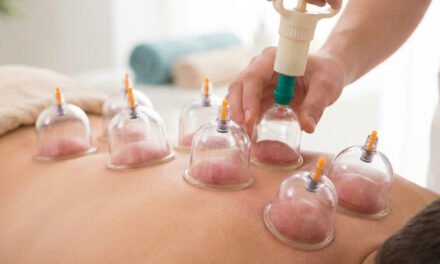
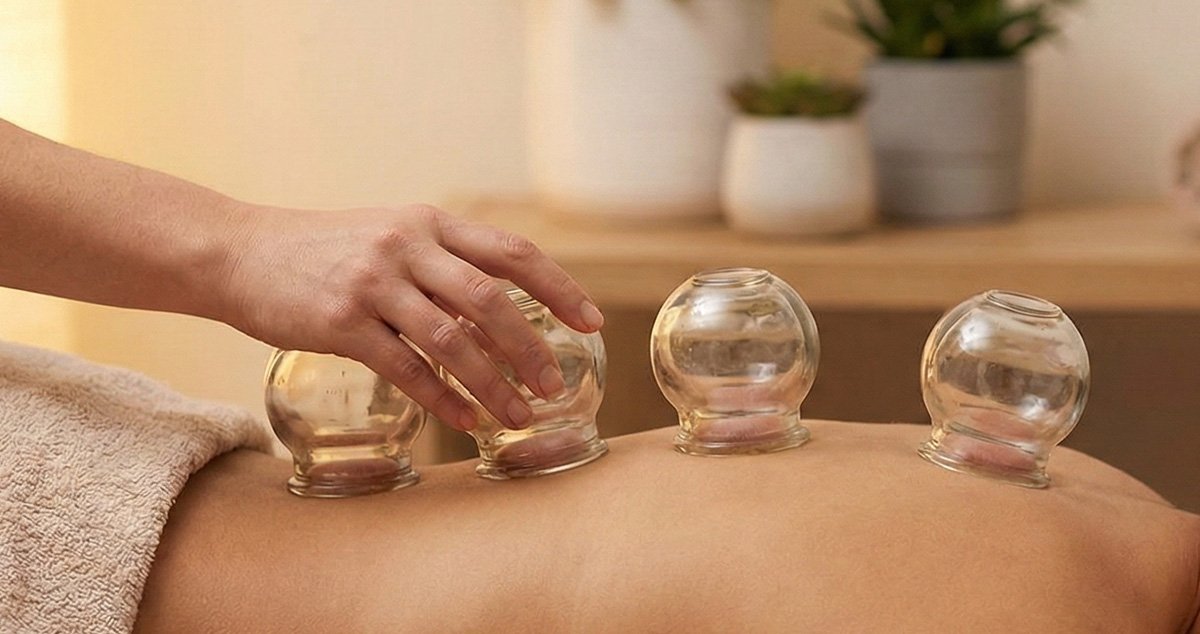
By using glass, plastic, or silicone cups, a therapist creates a vacuum on your skin. This suction pulls your skin, fascia (the connective tissue wrapping your muscles), and muscle layers upward away from the skeletal structure.
Think of it as creating space in areas that are normally glued together by tension. This negative pressure increases blood flow, loosens adhesions in the fascia, and theoretically helps your body clear out metabolic waste products that have settled in stagnant areas.
It’s not magic; it’s mechanics. It’s using physics to manipulate soft tissue.
The Core Issue: Does Cupping Hurt or Is It Just Weird?
Let’s address the focus keyword head-on: Does cupping hurt?
For the vast majority of people and the most common types of cupping, the answer is no. It does not “hurt” in the traditional sense of acute pain.
However, “not painful” does not mean “sensation-free.”
If you go into a session expecting a relaxing, lavender-scented Swedish massage, you are going to be severely jarred. Cupping is intense. It is a deeply weird sensation if you’ve never experienced it before.
Here is the best way to describe it: It feels like a very tight, localized pinch that spreads out over the area of the cup. It’s a feeling of immense pressure and pulling.
Imagine sticking the hose of a powerful vacuum cleaner onto your thigh. It grabs tight. You feel the skin tautten. Is it agonizing? No. Is it comfortable? Also no. It’s a unique sensation of tightness.
When the cups are first applied, the suction is strongest. This is the moment where you might feel a sharp intake of breath. For the first 60 seconds, your brain is trying to figure out what that pulling sensation is. After a minute or two, the nervous system usually calms down, and the sensation shifts from “intense pulling” to a dull, deep ache.
Many people describe it as a “good hurt.” It’s that satisfying feeling of release you get when someone presses hard into a knot in your shoulder. It’s intense, but your body intuitively knows it’s addressing a problem area.
If it ever crosses the line into sharp, searing, or unbearable pain, that’s a red flag. You need to tell your practitioner immediately. The suction can be adjusted. You aren’t there to win a medal for suffering.
It Depends on the Type of Cupping
We can’t generalize the sensation because there isn’t just one type of cupping. The method used drastically changes the answer to “does cupping hurt?”
Stationary Dry Cupping (Suction or Fire)
This is the most common form. Cups are placed on specific points and left there for 5 to 20 minutes. This is the sensation described above—tight pulling, pressure, and a deep ache. It is rarely painful.
Running or Sliding Cupping
This is where things get interesting. The therapist applies oil to the skin, attaches the cups with suction, and then moves them around your back or legs.
Does this hurt? It can.
If your fascia is incredibly tight—think of it like shrink-wrap adhered to your muscles—dragging a suction cup across it is going to be intense. It feels like a very deep, scraping massage. For athletes with dense muscle tissue and significant tightness, sliding cupping can border on painful, but again, it’s usually in that “satisfying release” category.
Wet Cupping (Hijama)
Let’s be crystal clear here. Wet cupping involves making tiny, superficial incisions on the skin before the cup is reapplied to draw out a small amount of blood.
Does wet cupping hurt? Yes. You are getting tiny cuts on your skin. It feels like light scratching or pricking. The suction part feels the same as dry cupping, but the initial phase involves needles or a small blade. If you have a needle phobia or zero pain tolerance, this is not for you.
The Marks: De-stigmatizing the “Bruises”
You cannot talk about whether cupping hurts without talking about the marks. They are the primary reason people are scared of the therapy.
Let’s debunk a massive myth right now: Cupping marks are not bruises.
A bruise (hematoma) is caused by impact trauma breaking blood vessels, leading to internal bleeding and a tender, painful injury.
A cupping mark is ecchymosis caused by suction. The vacuum pulls stagnant blood, cellular debris, and fluids from deep within the tissue up to the surface skin layers. Because there is no impact trauma, these marks are rarely painful to the touch.
You can have a back that looks like a pepperoni pizza, dark purple and red, and feel absolutely zero soreness when you touch those spots.
The color acts as a diagnostic map for practitioners.
-
Light pink/red: Indicates healthy blood flow. These fade in hours.
-
Dark red/purple: Indicates stagnation, deep tension, or older injury in that area. These can last a week or more.
Do not judge the pain level of the therapy by the visual severity of the marks. They are not correlated.
Debunking Common Myths About the Therapy
There is a lot of nonsense floating around about this practice. Let’s sharpen our perspective on what’s real.
Myth 1: The Darker the Mark, The More “Toxins” You Released.
Let’s dial back the woo-woo language. While cupping helps increase lymphatic drainage, claiming dark marks are pure “toxins” oozing out of you is biological oversimplification. Dark marks mean stagnation and poor circulation in that tissue. It means that area needed the work. Don’t weaponize the marks to feel superior about your “detox.”
Myth 2: More Pain Equals More Gain.
Absolutely false. If the practitioner uses too much suction, they can cause actual damage to the skin or capillaries. More is not better. The goal is therapeutic release, not an endurance test. If you are tensing up against the pain during the session, you are defeating the entire purpose of trying to relax your muscles.
Myth 3: Cupping is All Placebo.
There isn’t as much massive, double-blind pharmaceutical-grade research on cupping as some would like. However, dismissing it as pure placebo ignores mechanics. You are physically lifting fascia and increasing localized blood flow. Athletes use it for rapid recovery because it mechanically addresses tissue restriction. It works on a physical level, whether you believe in the “energy flow” aspects or not.
Practical Tips for Your First Session
If you decide that the answer to “does cupping hurt?” is manageable for you, here is how to handle your first time intelligently.
-
Communicate Pressure: Your therapist isn’t psychic. If the suction is too tight, say “that’s too much.” They can release a little air instantly.
-
Breathe: When the cups first go on, your instinct will be to hold your breath against the sudden tightness. Do the opposite. Deep belly breaths help your nervous system accept the sensation.
-
Hydrate or Die: Okay, not literally. But cupping moves fluid. You need to be well-hydrated before and after a session to help your body process what just happened.
-
The Aftermath: You might feel a bit lightheaded or “cupping drunk” immediately after. This is normal due to the rush of blood flow. Take it easy.
After the session, your body is recalibrating. Don’t go do a heavy deadlift workout an hour later. Give your system a break. Some people use this recovery time for general self-care routines, attending to their skin or hair, perhaps using something restorative like Natures Crown Hair Oil if they are focusing on head and scalp health. The point is to treat your body gently while it processes the treatment.
FAQ: Quick Realities
Q: How long do the marks last? A: Anywhere from 3 days to two weeks, depending on how dark they are and your body’s own circulation.
Q: Can I work out after cupping? A: It’s smarter not to. Your tissues just got a major workout. Give them 24 hours to settle down. Light movement is fine; heavy lifting is counterproductive.
Q: Is cupping safe for everyone? A: No. If you are on blood thinners, have severe skin issues, are pregnant (certain areas are off-limits), or have fragile blood vessels, skip it. Always consult a professional.
The Final Verdict
So, does cupping hurt? Debunking common myths about the therapy reveals that it’s less about pain and more about intensity.
It is a weird, gripping, sometimes uncomfortable sensation that leaves dramatic-looking evidence. But for people suffering from chronic back tightness, tech-neck, or athletic restriction, that temporary discomfort is often a very small price to pay for the relief that follows the release of pressure.
Don’t let the pictures scare you away. But don’t go in expecting a tickle, either. Walk in knowing the reality, and you’ll probably find it’s exactly the strange, effective therapy you needed.