
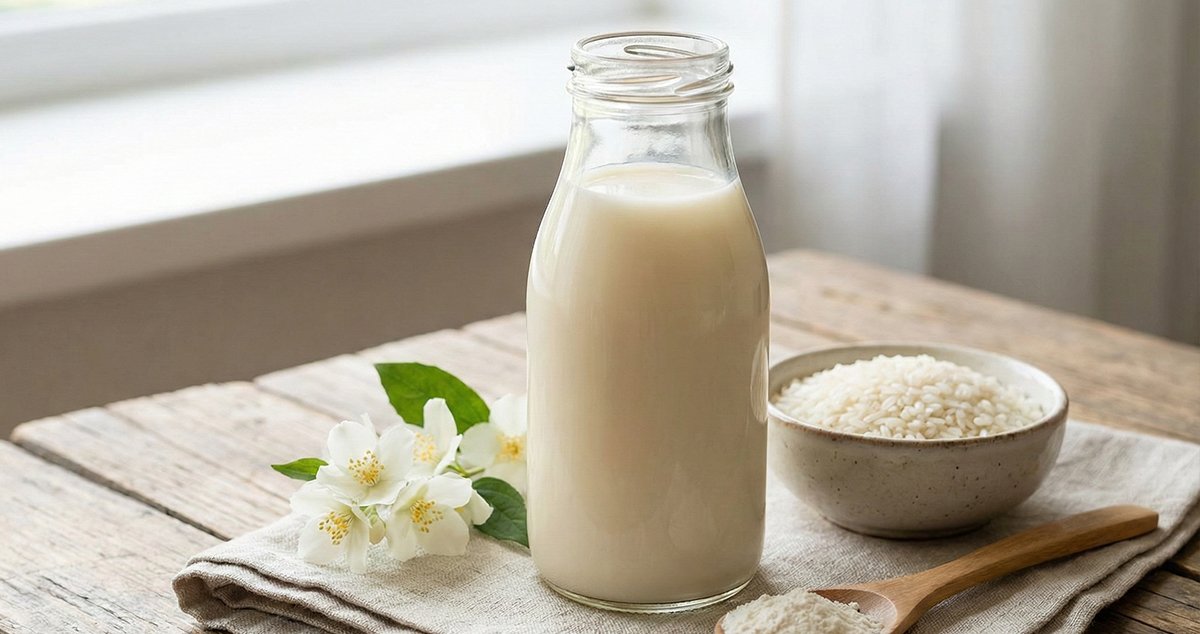
Rice Milk for Skin: The Ancient Secret for Moisturizing and Brightening – Fact vs. Fiction
Rice Milk for Skin: The Ancient Secret for Moisturizing and Brightening is a concept that has survived centuries of beauty trends for one simple reason: it usually works. But let’s be real. The skincare industry is flooded with “miracle” ingredients that promise to turn back the clock or give you glass skin overnight. Most of it is marketing fluff designed to separate you from your money.
Rice milk is different. It isn’t a high-tech synthesized compound created in a Swiss lab. It is a simple, agricultural byproduct that happens to contain a specific chemical profile beneficial to the human epidermis.
We are going to skip the poetic descriptions of geishas washing their faces in Kyoto. Instead, we are going to look at why this ingredient matters, how it interacts with your skin barrier, and whether you should be making it in your kitchen or buying it in a bottle.
!
The Chemistry Behind the Hype
You want to know why people swear by this. It comes down to the chemical composition. Rice milk isn’t just “starchy water.” It contains specific compounds that target inflammation and pigmentation.
When we talk about Rice Milk for Skin: The Ancient Secret for Moisturizing and Brightening, we are really talking about three heavy hitters:
-
Para-aminobenzoic Acid (PABA): This is often used in sunscreen products. In rice milk, PABA acts as a natural sun protectant. It stimulates cell regrowth and helps repair damage from UV rays.
-
Ferulic Acid: You pay a lot of money for serums containing this. Ferulic acid is a potent antioxidant. It fights free radicals. If you don’t know what free radicals are, think of them as unstable atoms that damage cells and cause aging. Ferulic acid stabilizes them.
-
Allantoin: This is an anti-inflammatory agent. If your skin is red, irritated, or sunburnt, allantoin soothes it. It also promotes the shedding of dead skin cells, which is essentially mild exfoliation.
This combination is why it works. It’s not magic. It’s chemistry.
Rice Milk for Skin: The Ancient Secret for Moisturizing and Brightening – The Core Benefits
Let’s break down exactly what this stuff does when you put it on your face.
1. Serious Brightening (Tyrosinase Inhibition)
Hyperpigmentation is annoying. It is hard to treat. Rice milk contains enzymes and acids that inhibit tyrosinase. This is the enzyme responsible for producing melanin. By controlling this enzyme, you aren’t just bleaching your skin; you are preventing the overproduction of pigment. This fades dark spots and acne scars over time.
2. Oil Control Without Stripping
Most products that control oil destroy your moisture barrier. They use harsh alcohols that dry you out, prompting your skin to produce more oil to compensate. Rice starch absorbs excess sebum naturally. It leaves the skin matte but hydrated.
3. Strengthening the Barrier
Your skin barrier is your defense against the world. Pollution, UV rays, and bad bacteria are constantly attacking it. The proteins in rice milk mimic the skin’s natural structure. They fill in the cracks, effectively sealing moisture in and keeping pathogens out.
Note: If you have eczema or dermatitis, this barrier support is crucial. It’s a low-risk way to soothe flare-ups without using steroids.
DIY vs. Commercial Products
Here is the thing. You can buy rice milk products, or you can make them. Both have pros and cons.
DIY Rice Milk:
-
Pros: Cheap. You know exactly what is in it. Potent.
-
Cons: Extremely short shelf life. If you leave it on your counter for a week, you are basically rubbing bacteria on your face.
Commercial Products:
-
Pros: Formulated for stability. They won’t go bad in three days. They usually contain additional actives like Niacinamide or Hyaluronic Acid.
-
Cons: Expensive. Often filled with preservatives and fragrance which can irritate sensitive skin.
If you don’t have the patience to blend rice every three days or risk bacterial contamination, save yourself the headache and get a stable product. A solid option is the Rice Milk Moisturising Lotion. It gives you the specific benefits of rice milk without the mess of making it yourself, and crucially, it won’t spoil on your shelf.
How to Make High-Quality Rice Milk
If you are committed to the DIY route, don’t just soak rice and hope for the best. There is a right way to extract the nutrients.
The Method:
-
Rinse: Take half a cup of jasmine or white rice. Rinse it quickly to remove surface dust. Do not over-wash, or you lose the surface starch.
-
Soak: Soak the rice in two cups of distilled water. Let it sit for 30 minutes to an hour. You want the water to turn cloudy and milky.
-
Blend: This is the step people miss. Pour the rice and water into a blender. Blitz it until it is a smooth paste.
-
Strain: Use a cheesecloth or fine mesh sieve to separate the liquid from the pulp. The liquid is your rice milk.
-
Store: Put it in a sterilized jar in the fridge. It lasts 3 to 4 days max.
How to Integrate It Into Your Routine
You don’t need to change your whole routine. Rice milk is versatile.
As a Toner: After cleansing, soak a cotton pad in your cold rice milk. Swipe it over your face. Let it air dry. This tightens pores and preps the skin for serums.
As a Face Mask: Mix the rice milk with a little honey or aloe vera gel. Apply it to your face and leave it for 20 minutes. Rinse with lukewarm water. This is a hydration bomb.
As a Cleanser: If you have sensitive skin, skip the foaming cleanser in the morning. Wash your face with rice milk instead. It cleanses without stripping natural oils.
[Internal Link: Check out our guide on Natural Cleansers for Sensitive Skin here]
Rice Water vs. Rice Milk: The Difference
People confuse these two constantly.
-
Rice Water: This is the water left over after soaking or boiling rice. It is thinner and has fewer lipids.
-
Rice Milk: This is made by blending the rice with the water. It contains more proteins, fats, and starch.
For hair, rice water is fine. For skin, rice milk is superior because the lipid content helps repair the moisture barrier more effectively.
Who Should Avoid This?
I am not going to tell you this is perfect for everyone. Nothing is.
If you have a rice allergy, obviously, stay away. But more importantly, if you are prone to fungal acne (Malassezia folliculitis), be careful. Fermented rice products can feed the yeast that causes fungal acne. While fresh rice milk is generally safer than fermented rice water, patch testing is non-negotiable.
Apply a small amount behind your ear. Wait 24 hours. If it itches or turns red, dump it down the sink.
Actionable Tips for Best Results
-
Use Organic Rice: Pesticides are real. If you are soaking rice to extract nutrients, you might also be extracting chemicals. Spend the extra dollar for organic.
-
Consistency is Key: You won’t see results in one day. Skin cycles take about 28 days. Commit to using it for a month before you judge the results.
-
Don’t Hoard It: I said this before, but I will say it again. DIY rice milk goes bad fast. If it smells sour, throw it out. Using spoiled product is worse than using nothing.
Frequently Asked Questions (FAQs)
Can I leave rice milk on my face overnight? Yes, you can. It acts as an overnight sleeping mask. However, if you have very oily skin, it might feel heavy. Rinse it off in the morning.
Does rice milk whiten skin? “Whiten” is the wrong word. It brightens. It helps fade tan and dark spots, returning your skin to its natural tone. It will not change your genetic skin color.
Is boiled rice water better than raw rice milk? Boiling extracts more starch, but heat can degrade some vitamins. Raw blended rice milk retains more heat-sensitive nutrients like Vitamin B.
Can I use brown rice? You can, but white rice usually yields a “milkier” consistency due to higher starch availability on the surface. Brown rice is healthier to eat; white rice is often better for topical application.
Conclusion
Rice Milk for Skin: The Ancient Secret for Moisturizing and Brightening isn’t just a long keyword or a marketing slogan. It is a legitimate, low-cost skincare solution backed by chemical reality.
It offers hydration, brightness, and barrier repair without the price tag of luxury brands. Whether you choose to blend it in your kitchen or buy a reliable formulation like the Rice Milk Moisturising Lotion, the results speak for themselves.
Stop looking for miracles in expensive bottles. Sometimes, the most intelligent solution is already in nature.