Seed Therapy: Understanding Its Benefits and How It Works
Seed therapy, a fascinating practice rooted in alternative medicine, is gaining traction for its simplicity and effectiveness. The practice works by placing tiny seeds on key points of the body, which is believed to encourage natural healing and create a sense of physical balance.
In this comprehensive guide, we’ll explore the fundamentals of seed therapy, how it works, its numerous benefits, and why it’s becoming a go-to solution for health enthusiasts worldwide.
What is Seed Therapy?
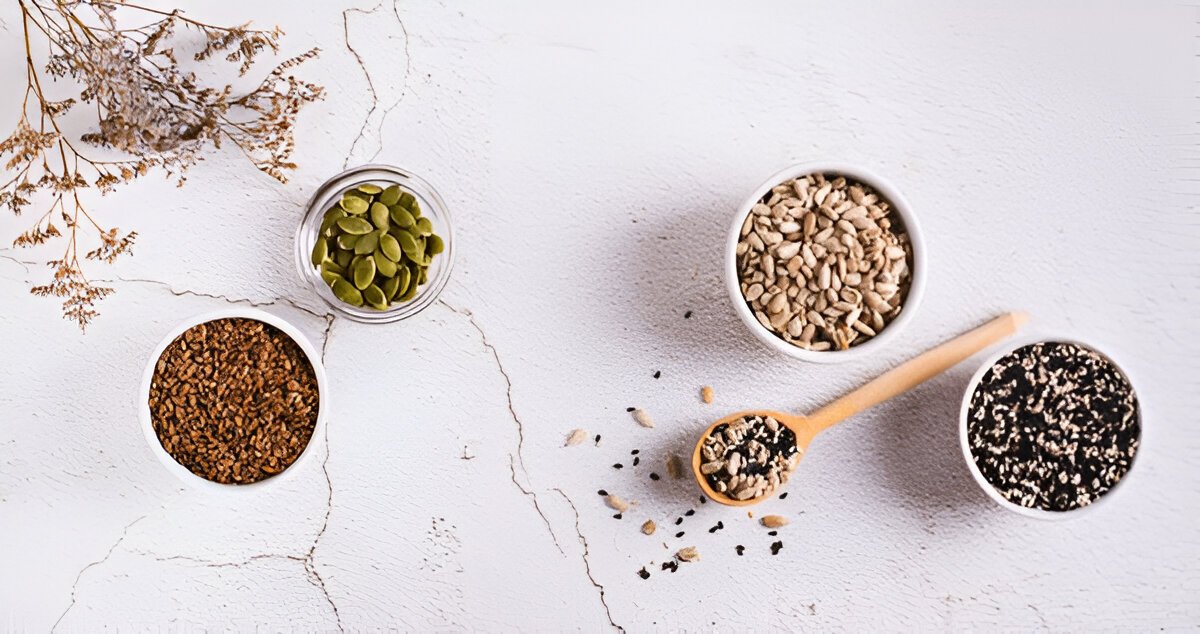
Seed therapy is a non-invasive technique that combines the principles of acupressure and reflexology. It involves placing tiny seeds (like mustard or fenugreek seeds) on specific points on the body, his technique involves applying seeds to specific reflex points frequently located on the ears or hands that are believed to be connected to internal organs and systems. The gentle, constant pressure on these points is intended to trigger the body’s natural self-healing response, improve energy circulation, and reestablish internal equilibrium. It’s considered a safe and effective alternative for managing pain, stress, and chronic health conditions.
How Does Seed Therapy Work?
Seed therapy works by targeting the body’s meridians—energy pathways identified in traditional Chinese medicine. Here’s how the process typically unfolds:
Point Identification
A trained practitioner identifies specific acupressure points related to the patient’s symptoms. For example, points on the ear may correspond to the liver, lungs, or digestive system.
Seed Placement
These acupressure points are stimulated by securing very small seeds commonly fromthe mustard or radish plant with a piece of medical-grade adhesive tape.
Gentle Stimulation:
The patient applies light pressure to the seeds several times a day, which stimulates the acupressure points and encourages energy flow.
Healing Response
By activating these points, seed therapy helps regulate bodily functions, reduce inflammation, and improve overall well-being.
Seed therapy integrates seamlessly into daily life, making it a practical and accessible option for many.
Benefits of Seed Therapy
Seed therapy offers a range of benefits, making it an appealing choice for those looking for natural healing methods. Some of the primary advantages associated with this method are:
1. Pain Management
Seed therapy is highly effective in reducing chronic pain, including headaches, joint pain, and muscle tension. By stimulating specific points, it helps release endorphins, the body’s natural painkillers.
2. Stress Relief
This technique fosters deep relaxation and alleviates stress by harmonizing the body’s vital energy. Many individuals report feeling calmer and more centered after regular sessions.
3. Improved Digestion
Stimulating points related to the digestive system can alleviate issues such as bloating, constipation, and indigestion.
4. Enhanced Sleep Quality
Seed therapy can help improve sleep patterns by addressing energy imbalances that disrupt rest.
5. Boosted Immune System
By promoting overall balance, seed therapy strengthens the body’s natural defenses, making it more resilient to illnesses.
6. Accessibility and Affordability
Seed therapy is cost-effective and doesn’t require expensive equipment or medications, making it accessible to a wide range of people.
Leading Seed Therapy Practices Around the World
As a practice, seed therapy has gained international recognition and is now offered in clinical settings worldwide, including throughout China, India, the United States, and Germany. Some renowned practitioners include:
Dr. William Huang(USA), a practitioner in the USA, has contributed to the field by developing a unique system that integrates seed therapy with advanced acupressure techniques..
Shri Pranav Sharma (India): A pioneer in promoting seed therapy for chronic ailments.
Natural Health Centers (Germany): Offering holistic treatments that include seed therapy as a core practice.
These centers and experts have helped seed therapy gain recognition as a reliable alternative healing method.
Here are some common mistakes people make when practicing seed therapy at home and how to avoid them:
1. Incorrect Point Identification
- Mistake: Placing seeds on the wrong acupressure points. This can reduce the effectiveness of therapy or even cause discomfort.
- Solution: Use a reliable acupressure chart or consult a trained practitioner to accurately identify the points corresponding to your symptoms.
2. Using Improper Seeds
- Mistake: Using seeds that are too large, hard, or inappropriate for therapy, such as seeds that irritate the skin.
- Solution: Stick to commonly recommended seeds like mustard, fenugreek, or radish seeds, which are small, soft, and suitable for prolonged use.
3. Applying Too Much Pressure
- Mistake: Pressing too hard on the seeds, leading to skin irritation, bruising, or discomfort.
- Solution: Apply gentle, steady pressure when stimulating the seeds. The goal is to feel slight pressure, not pain.
4. Leaving Seeds on for Too Long
- Mistake: Keeping the seeds taped to the skin for an extended period, which can cause rashes or skin sensitivity.
- Solution: Follow the recommended duration, usually 4-6 hours at a time, and give your skin a break before reapplying.
5. Not Maintaining Hygiene
- Mistake: Using dirty seeds or not cleaning the skin before application, which can lead to infections or irritation.
- Solution: Always use clean, dry seeds and ensure the application area is clean and free of oils or lotions.
6. Skipping Regular Stimulation
- Mistake: Forgetting to press the seeds periodically, which reduces the effectiveness of the therapy.
- Solution: Set reminders to gently stimulate the seeds 3-4 times a day to activate the acupressure points.
7. Using Low-Quality Tape
- Mistake: Using adhesive tape that doesn’t stick properly or causes allergic reactions.
- Solution: Use medical-grade hypoallergenic tape to secure the seeds without irritating the skin.
8. Ignoring Underlying Health Issues
- Mistake: Using seed therapy as a standalone treatment for serious medical conditions without consulting a healthcare professional.
- Solution: Treat seed therapy as a complementary therapy and consult a doctor for any chronic or severe health issues.
9. Impatience or Inconsistency
- Mistake: Expecting immediate results or not practicing regularly.
- Solution: Be consistent and patient, as results often take time and depend on regular practice.
10. Neglecting Aftercare
- Mistake: Failing to clean the skin after removing the seeds, which can cause irritation or leave residue.
- Solution: Wash the area gently with warm water and apply a soothing lotion if needed.
FAQs
1. Is seed therapy safe for everyone?
Yes, seed therapy is generally safe for all age groups. However, pregnant women and individuals with specific medical conditions should consult a professional beforehand.
2. How long does it take to see results?
Individual responses to treatment are not uniform and depend largely on the nature of the condition.. Some people experience relief within days, while others may need a few weeks of consistent practice.
3. Can I practice seed therapy at home?
Yes! With proper guidance from a trained practitioner or online resources, you can easily incorporate seed therapy into your daily routine.
Does seed therapy hurt?
No, seed therapy is non-invasive and painless. You may feel slight pressure when stimulating the seeds, but it is not uncomfortable.
Conclusion and Call-to-Action
Seed therapy is an accessible and effective way to promote natural healing and holistic well-being. Whether you’re looking to manage pain, reduce stress, or improve your overall health, this ancient technique offers a gentle yet powerful solution.
Ready to explore the benefits of seed therapy? Consult a trained practitioner today or try incorporating this practice into your wellness routine.