The Benefits of Cupping Therapy: A Holistic Approach to Wellness
Isn’t just a catchy headline or a trend driven by Olympians with purple circles on their shoulders; it is a fundamental shift in how we manage pain and stagnation.
Let’s be real for a second. Most modern medicine is additive. You have a headache? Take a pill. You have inflammation? Take another pill. We are constantly putting chemistry into the body to force a reaction. Cupping is different. It is subtractive. It creates space. It uses negative pressure to pull tension out, mechanically separating tissue layers that have been stuck together for years due to poor posture, stress, or injury.
If you are looking for a magic wand, stop reading. If you are looking for a physiological tool to hack your body’s recovery systems, keep going. We are going to break down exactly why suction therapy works, what the science actually says, and how to integrate it into a routine that makes sense.
The Mechanism: Why Negative Pressure Matters
Here is the thing about your body: it runs on flow. Blood flow, lymph flow, nerve impulse flow. When you get injured or sit in a chair for 12 hours a day, that flow stops. Muscles tighten, fascia (the connective tissue wrapping your muscles) becomes rigid, and metabolic waste gets trapped in the tissue. This is stagnation.
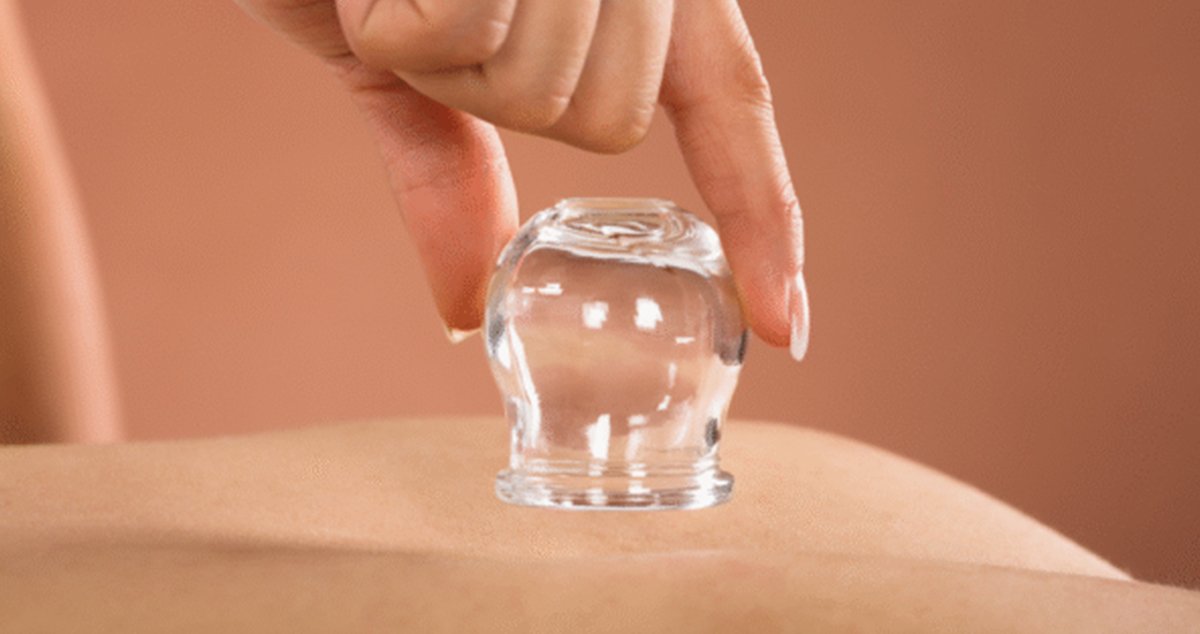
Standard massage tries to fix this with compression—pushing down on the tissue. Cupping does the exact opposite. It uses decompression. By creating a vacuum inside a glass, plastic, or silicone cup, the skin and superficial muscle layers are drawn upward.
This suction does three critical things:
-
Vasodilation: It forces the capillaries to expand, flooding the area with fresh, oxygenated blood.
-
Micro-trauma: It causes tiny, controlled breaks in the capillaries (which causes the marks), triggering the body’s natural immune response to come fix the area.
-
Myofascial Release: It physically lifts the fascia off the muscle, breaking up adhesions that restrict movement.
Pain Relief Without the Pills
The primary reason people seek out The Benefits of Cupping Therapy: A Holistic Approach to Wellness is pain. Specifically, chronic, nagging musculoskeletal pain that simply won’t quit.
When you place a cup on a tight lower back or a stiff neck, you are altering the pain signal. There is a concept in neurology called the “Gate Control Theory of Pain.” Essentially, non-painful input (like the sensation of suction and stretching from the cup) closes the “gates” to painful input, preventing the pain sensation from traveling to the central nervous system.
But it’s not just a neurological trick. It’s mechanical.
-
Back Pain and Sciatica: By lifting the tissue along the spine, cupping relieves pressure on the vertebrae and the nerves exiting the spinal column.
-
Neck and Shoulder Tension: For the desk workers, the “text neck” posture creates dense, fibrous knots in the trapezius. Cupping physically breaks that density down.
-
Headaches and Migraines: Placing cups at the base of the skull and down the neck increases cerebral blood flow and relaxes the suboccipital muscles, often halting a tension headache in its tracks.
Detoxification: The Lymphatic Flush
People throw the word “detox” around loosely, usually trying to sell you a green juice. But in cupping, detoxification is mechanical. Your lymphatic system is your body’s sewage treatment plant, but unlike your heart, it doesn’t have a pump. It relies on muscle movement to push fluid around.
If you are sedentary or injured, lymph fluid pools. It creates swelling and inflammation. Cupping acts as a manual pump.
Sliding cupping (where oil is applied and the cup is moved along lymphatic pathways) mimics the body’s natural drainage flow. It pulls stagnant fluid from deep within the tissues to the surface, where the lymphatic capillaries can pick it up and flush it out. This is why you often feel thirsty or need to use the restroom immediately after a session—your body is purging the waste.
The Skin and Anti-Aging Connection
You might have seen facial cupping on social media. It looks intense, but it’s actually one of the most effective non-invasive anti-aging techniques available.
The logic remains the same: blood flow. By using smaller, softer cups on the face, you stimulate collagen production and drain puffiness. It’s like a workout for your face. It defines the jawline and reduces dark circles by clearing out the fluid that gathers under the eyes.
However, you have to be smart about what products you use with it. You cannot drag a suction cup over dry skin; you will damage the barrier. You need a high-quality glide. Interestingly, holistic hair and scalp care often overlaps here. Increasing blood flow to the scalp using similar principles is vital for hair growth. If you are into natural remedies, check out Nature’s Crown Hair Oil for a product that aligns with this chemical-free, circulation-boosting philosophy.
Mental Health and the Nervous System
Here is what most people miss: Cupping is a sedative for your nervous system.
We live in a sympathetic state—fight or flight. High cortisol, high adrenaline, constant alertness. You cannot heal in that state. Healing only happens in the parasympathetic state—rest and digest.
The sensation of cupping, particularly static cupping on the back, has a profound grounding effect. It forces the body to switch gears. Many patients fall asleep during a session because the therapy lowers blood pressure and slows the heart rate. It’s a forced reboot for a fried nervous system.
Types of Cupping: Which One Do You Need?
Not all cupping is created equal. Understanding the difference is crucial to getting the result you want.
1. Dry Cupping (Static)
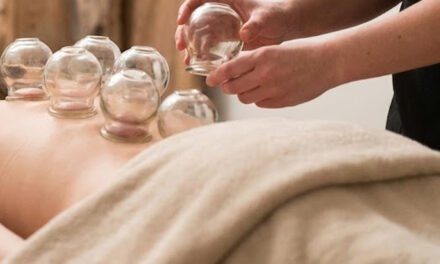
This is the standard. Cups are placed on specific trigger points and left there for 5 to 15 minutes. This is best for deep, specific knots and organ health.
2. Wet Cupping (Hijama)
This is the heavy artillery. After a few minutes of dry cupping, the therapist makes tiny, superficial incisions on the skin and reapplies the cup to draw out a small amount of “stagnant” blood. Historically, this is believed to remove toxins and heat from the blood directly. It’s intense, but for many, the relief is unmatched.
3. Sliding Cupping (Dynamic)
This feels more like a deep tissue massage. The therapist applies oil and drags the suctioned cup along the muscle fibers. It’s excellent for myofascial release and lymphatic drainage.
4. Flash Cupping
The cup is applied and removed quickly and repeatedly. This is stimulating rather than sedating. It’s used often for respiratory issues or low energy.
What About the Marks? (The “Octopus” Effect)
Let’s clear this up: Cupping marks are not bruises.
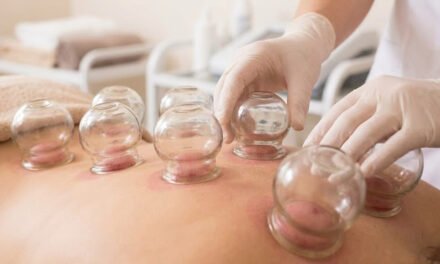
A bruise is caused by impact trauma—blunt force that ruptures blood vessels. A cupping mark is caused by suction pulling stagnant blood and cellular debris to the surface.
-
Dark Purple/Black: Indicates severe stagnation and low blood flow. This usually happens over old injuries.
-
Bright Red: Indicates heat and inflammation (an acute issue).
-
Light Pink: Indicates healthy blood flow.
These marks don’t hurt like a bruise. They are simply the visual evidence that the therapy moved something that was stuck. They usually fade within 3 to 7 days as your lymphatic system clears away the debris.
A Practical Approach to Integration
You don’t do cupping once and fix twenty years of bad posture. That’s not how physiology works. It’s a practice.
If you are an athlete, you use it during recovery weeks to flush lactate. If you work a desk job, you use it monthly to undo the damage of sitting. If you are dealing with chronic pain, you might start with weekly sessions.
Combining Therapies
The Benefits of Cupping Therapy: A Holistic Approach to Wellness are amplified when you stack them with other modalities:
-
Acupuncture: Cupping opens the flow; acupuncture directs it.
-
Heat Therapy: Using a sauna or heat pack before cupping softens the tissue, allowing for deeper suction.
-
Topical Nutrition: As mentioned earlier, what you put on your skin matters. Post-cupping, your pores are open and your circulation is firing. It is the best time to apply therapeutic oils or balms because absorption is maximized.
Frequently Asked Questions (FAQs)
Does cupping hurt? It shouldn’t. You will feel a strong pulling sensation and tightness, which can be intense, but it shouldn’t be sharp pain. If it hurts, the suction is too strong. Speak up.
How long do the marks stay? It depends on your circulation. Usually 3 to 7 days. If you are very sedentary or have poor lymphatic drainage, it could take up to two weeks.
Can I do it myself? You can use silicone cups at home for light maintenance (sliding cupping on legs or arms), but for proper spinal work or wet cupping, see a professional. You cannot relax your back muscles enough to cup them yourself effectively.
Is it safe for everyone? No. Avoid cupping if you are on blood thinners, have sunburn, open wounds, or severe skin conditions. Pregnant women should avoid cupping on the lower back and abdomen.
Conclusion: The Reality of Wellness
Wellness isn’t about buying more things; it’s about removing the obstacles that prevent your body from doing its job. Stagnation is the enemy. Whether it is stagnant blood, stagnant lymph, or stagnant energy, it leads to dysfunction.
The Benefits of Cupping Therapy: A Holistic Approach to Wellness offers a clear, mechanical solution to a complex problem. It restores flow. It forces your body to pay attention to areas it has neglected.
Don’t overcomplicate it. If you are in pain, if you are stiff, or if you just feel heavy, your body is asking for release. Cupping provides that. It’s not magic; it’s just smart mechanics. Treat your body like the machine it is, keep the fluids moving, and the rest usually takes care of itself.

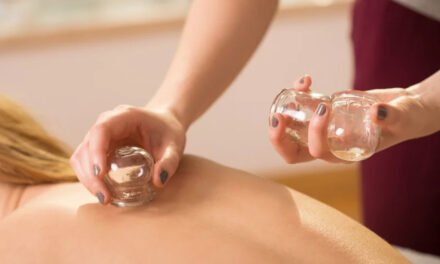

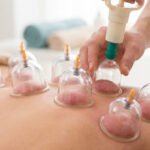
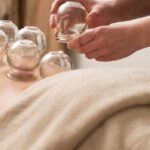


Cupping therapy has a fascinating history and offers numerous benefits for both physical and mental well-being. Many people, including athletes, have found relief and improvement through this traditional practice. It’s amazing how such an ancient technique continues to be relevant in modern wellness routines. If you’re curious about trying it, consulting a qualified practitioner is essential for a safe and effective experience. Do you think cupping therapy could address any specific health concerns you have?
Cupping therapy sounds like a fascinating and ancient practice with many potential benefits. It’s interesting how it can be tailored to individual health goals by a qualified practitioner. This method seems to offer a holistic approach to wellness, which many people might find appealing. If you’re curious about trying it, it’s worth exploring how it can fit into your routine. What specific health concerns can cupping therapy address effectively?